


INDIANA — According to the American Academy of Sleep Medicine, children under 16 should consistently receive more than eight hours of sleep per night for optimal health. However, recent data reveal a growing “sleep gap”: more than one-third (34%) of American children fail to meet this threshold during the school year.
To combat this trend, Connor Boyack, author of the Tuttle Twins series, has shared five expert-backed strategies to help parents establish a more effective and peaceful bedtime routine.


1. Master the “Magic Hour” Rule
Melatonin is the natural hormone responsible for regulating the sleep-wake cycle, and its production is triggered by darkness. To harness this biological process, Boyack recommends the “Magic Hour” rule: starting the wind-down routine 30 to 60 minutes before the actual lights-out time.
- Consistency is Key: Aim for the same “Magic Hour” every evening to help regulate your child’s internal clock.
- Flexibility: Minor exceptions are allowed to prevent the routine from feeling overly restrictive.
2. Digital Sunset: Switch Off the Screens
Recent 2025 research indicates a staggering 96% of American children look at a screen shortly before bed. The blue light emitted by these devices suppresses melatonin production, making it significantly harder for the brain to transition into sleep.
- The Fix: Establish bedrooms as “screen-free zones” and implement a digital lockdown at least one to two hours before bedtime.
3. Replace Screens with Bedtime Stories
Reading serves as the perfect alternative to electronics. One study found that incorporating reading into a nighttime routine improved sleep quality for 42% of children. Beyond sleep, reading boosts literacy, nurtures imagination, and improves communication between parent and child.
4. Interactive Wind-Down Activities
Every child is unique, so experimenting with different relaxing activities is essential. Consider the following:
- Sensory Calm: A warm bath or relaxing music.
- Breathing Exercises: Techniques like Starfish Breathing or Dragon Fire Breathing (exhaling forcefully through the mouth) can lower stress.
- Belly Breathing: Have your child lie down and place a stuffed animal on their stomach. As they breathe in through their nose, they can imagine the toy is on a “roller coaster” rising and falling with their breath.
5. Utilize Objects and Aromatherapy
Children often associate specific objects or smells with safety and sleep.
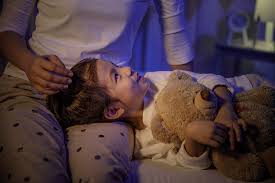
- Sleep Triggers: Introduce blankets or teddy bears that only appear at night.
- Scent: Lavender is scientifically proven to enhance sleep. A 2007 study showed that lavender-infused bath oil significantly improved sleep quality in infants.
Common Pitfalls to Avoid
Experts warn that parents should avoid overloading the schedule with too many new techniques at once, as children find comfort in predictable steps. Additionally, while co-sleeping offers bonding time, it can make establishing an independent routine harder for toddlers. Finally, keep evening conversations light—avoid topics like schoolwork or stress-inducing expectations, opting instead for “gratitude check-ins” about their day.
Age-Appropriate Hacks
Teenagers: Model good behavior by following your own consistent sleep routine.
Babies: Avoid picking them up every time they cry; try soothing them while they remain lying down.
Toddlers: Offer choices (e.g., “Which pajamas do you want to wear?”) to give them a sense of control.
Adolescents: Keep homework and gaming consoles out of the bedroom to create a dedicated “sleep-only” zone.

