

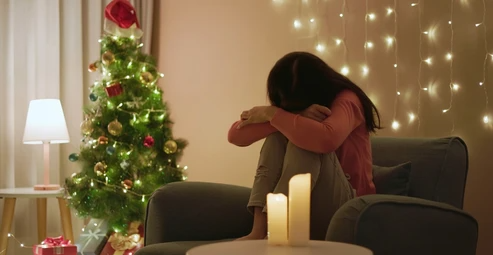
INDIANA– As holiday displays shine with images of family and togetherness, a new survey by A Mission for Michael has shed light on a quiet, widespread public health issue: loneliness.

According to the findings, an estimated 335,391 Indiana residents will spend Christmas Day alone, ranking Indiana 34th loneliest state during the festive season.
Loneliness, especially during the holidays, is a real challenge, but there is help available in Lawrence County, Indiana.
Here are some places where people can find support:
Immediate Crisis and Mental Health Support
If someone is in crisis or needs immediate emotional support:
- 988 Suicide & Crisis Lifeline: Call or text 988. This is a 24/7, free, and confidential line connecting people to trained crisis counselors.
- Centerstone: This organization is a major provider of mental health and addiction services in Lawrence County and offers crisis care.
- Bedford Location: 1315 Hillcrest Rd, Bedford, IN 47421
- Phone: 812-329-4950
- They offer Counseling, Addiction Recovery, Crisis & Urgent Psychiatric Care, and have a Telephone Crisis Line.
- Indiana 211: Dial 2-1-1 or call 1-866-211-9966 (Mon-Fri, 8 am – 6 pm) or text 898-211 (Mon-Fri, 8 am – 5 pm) for immediate help and access to a wide range of essential community resources, including mental health services.
The study, conducted by A Mission for Michael (AMFM) and based on a poll of over 3,000 adults who live alone, suggests that nationwide, a staggering 14 million Americans will be alone on Christmas 2025.
Holidays Magnify Isolation
Loneliness is often cited by public health officials, including the U.S. Surgeon General, as an epidemic with serious consequences for mental and physical health. However, the holiday season exacerbates these feelings due to the intense societal pressure and media saturation of “perfect” celebrations.

“We often think of Christmas as a time of joy, but for many people, it becomes a mirror for everything they feel they’re missing,” says Anand Meta LMFT, Executive Director at AMFM. “Expectations about how Christmas ‘should’ look turn private solitude into something that feels like failure, leaving many people dreading a day that is meant to feel joyful.”
Why Hoosiers are Alone
The reasons for spending the day alone are varied, ranging from logistical hurdles to deep-seated emotional issues.
| Reason for Solo Christmas | Percentage of Respondents |
| Live far from family/friends | 29% |
| Staying away due to family conflict | 20% |
| Travel is too expensive | 17% |
| Prefer to spend Christmas alone | 16% |
| Tied up with work schedules | 11% |
| Don’t celebrate Christmas at all | 7% |
While a portion of respondents genuinely prefer the solitude, nearly a quarter of those alone admit the season carries emotional weight. 25% report feeling lonely, and 22% feel sad. Significantly, 56% of those surveyed believe we are living through a “silent epidemic” of holiday isolation, and 59% agree that Christmas magnifies loneliness more than any other time of year.
The Fear of Being Forgotten
For those struggling, the holiday brings specific fears:
- 16% worry most about feeling depressed.
- 14% fear feeling forgotten.
- 13% dread having no plans.
These fears underscore the broader, clinically recognized link between loneliness and poor mental health outcomes, including increased risk of depression, anxiety, and even cardiovascular issues, as noted by the Centers for Disease Control and Prevention (CDC).
Coping and Connection
Despite the challenges, many are proactively planning to cope with the day. The most popular coping strategies include:
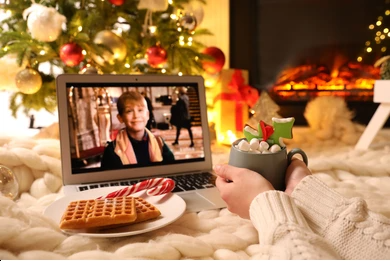
- Watching holiday movies or TV (28%)
- Planning to “treat themselves” with food, gifts, or self-care (19%)
- Connecting virtually with loved ones (15%)
Alarmingly, 22% of respondents reported having no plan at all for how to handle the day.
“Loneliness doesn’t take a holiday, but neither does hope,” says Meta. “The more we normalize these feelings, the easier it becomes to reach out, speak up, or simply take the pressure off a ‘perfect’ Christmas.”
The survey found that nearly half of respondents (47%) still believe there is a stigma attached to spending Christmas alone, highlighting the cultural pressure that often leads to feelings of inadequacy or failure during the holidays.