

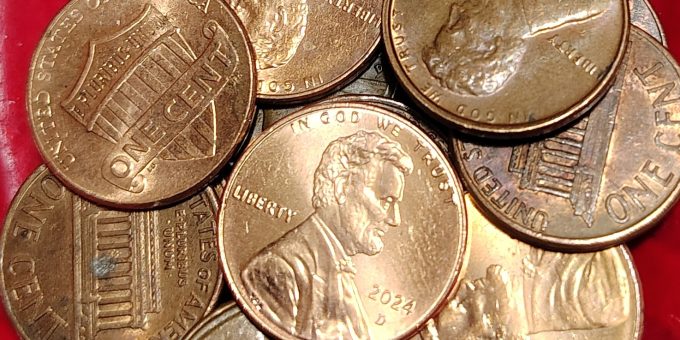
PHILADELPHIA, PA – After 238 years, the final one-cent coin was minted this afternoon at the U.S. Mint in Philadelphia, formalizing the end of the penny’s production. The historic decision follows a social media announcement by President Donald Trump in February, citing the high production cost of the coin.

U.S. Treasurer Brandon Beach oversaw the pressing of the final penny. The last coins produced will be auctioned off, though the actual final pennies to enter circulation were struck back in June.
The coin, one of the nation’s first, was initially minted in 1787 and cost nearly four cents to produce, significantly more than its face value.
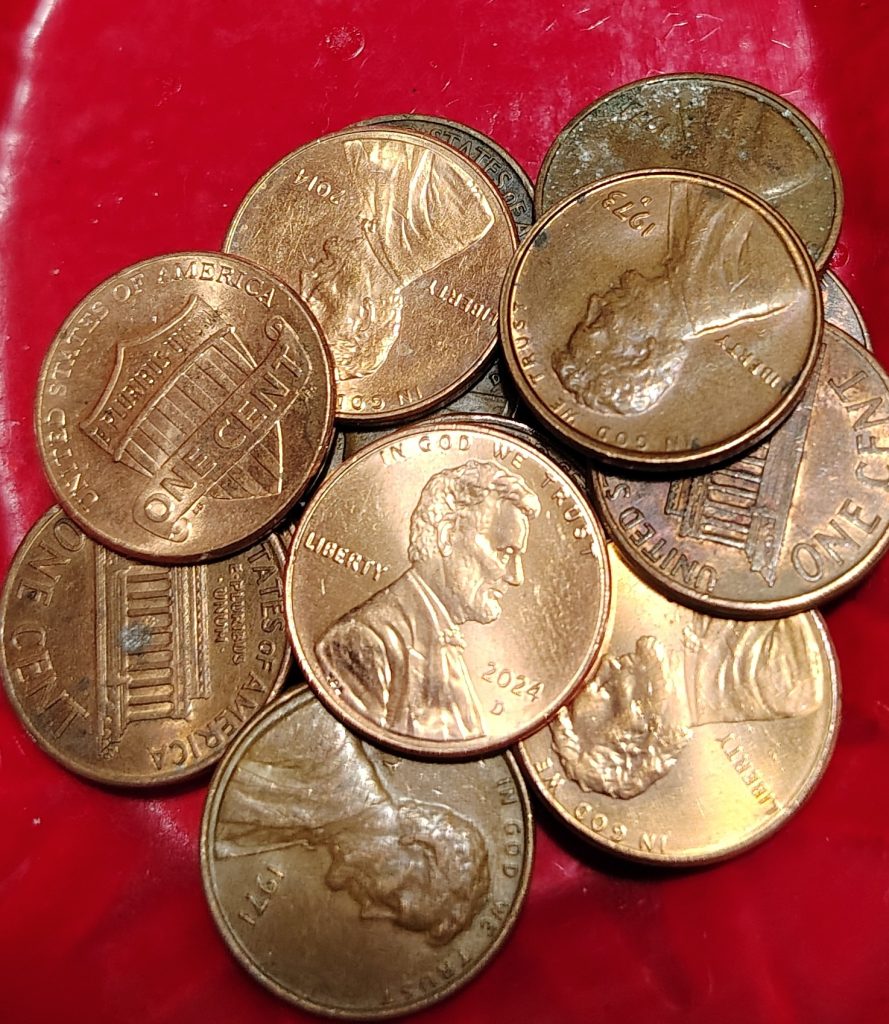
While the penny will remain legal tender, its demise has created unexpected problems for retailers and consumers. The government’s move was labeled “a bit chaotic” by Mark Weller, executive director of Americans for Common Cents, who criticized the lack of official guidance compared to other nations that phased out low-denomination coins.
- Retailer Problems: Many merchants plan to round prices to the nearest nickel, which could increase consumer costs. Retailers like the Kwik Trip convenience store chain have chosen to round down cash purchases where pennies are scarce, a policy that could cost the company millions annually.
- Consumer Costs: A July study by the Federal Reserve Bank of Richmond estimated that rounding to the closest nickel will cost consumers approximately $6 million a year.
- Legal Conflict: The National Association of Convenience Stores (NACS) noted that in four states (Delaware, Connecticut, Michigan, and Oregon) and numerous cities, merchants are required to provide exact change. Furthermore, federal law requires food assistance (SNAP) recipients to be charged the precise amount, raising potential legal issues and fines for merchants who round prices for cash customers.
Retail groups have written to Congress to request legislation that would officially permit rounding, allowing retailers to make change.
The penny, which outlived its sibling, the half-penny, by 168 years, is survived by the nickel, dime, quarter, and the half-dollar and dollar coins. An estimated 300 billion pennies remain in circulation, though most are “severely underutilized.”

