

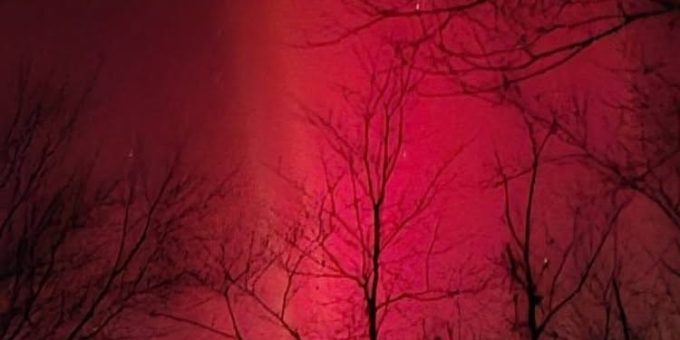
INDIANA – Sky-gazers across Indiana have a rare and potentially dazzling opportunity tonight to witness the Aurora Borealis, commonly known as the Northern Lights.
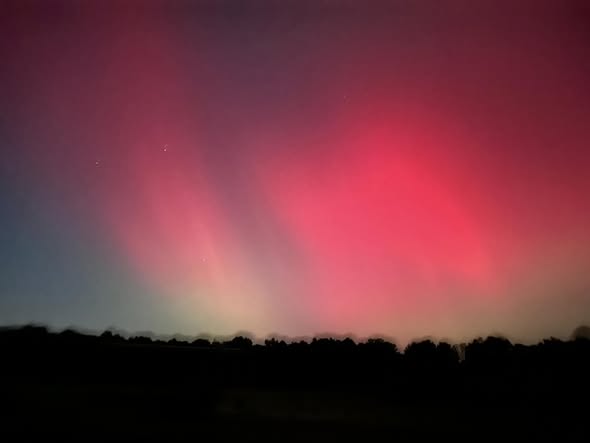
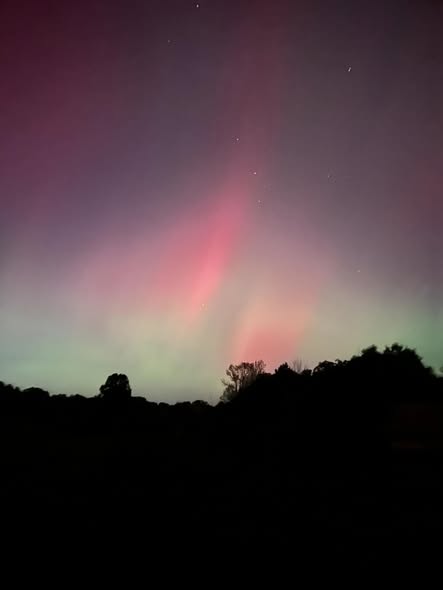
Forecasters have issued a severe G4 Geomagnetic Storm Watch, predicting a peak Kp index of over 7. This powerful solar activity expands the aurora’s visibility much farther south than usual, making a sighting possible across much of the northern and central United States, including Indiana.
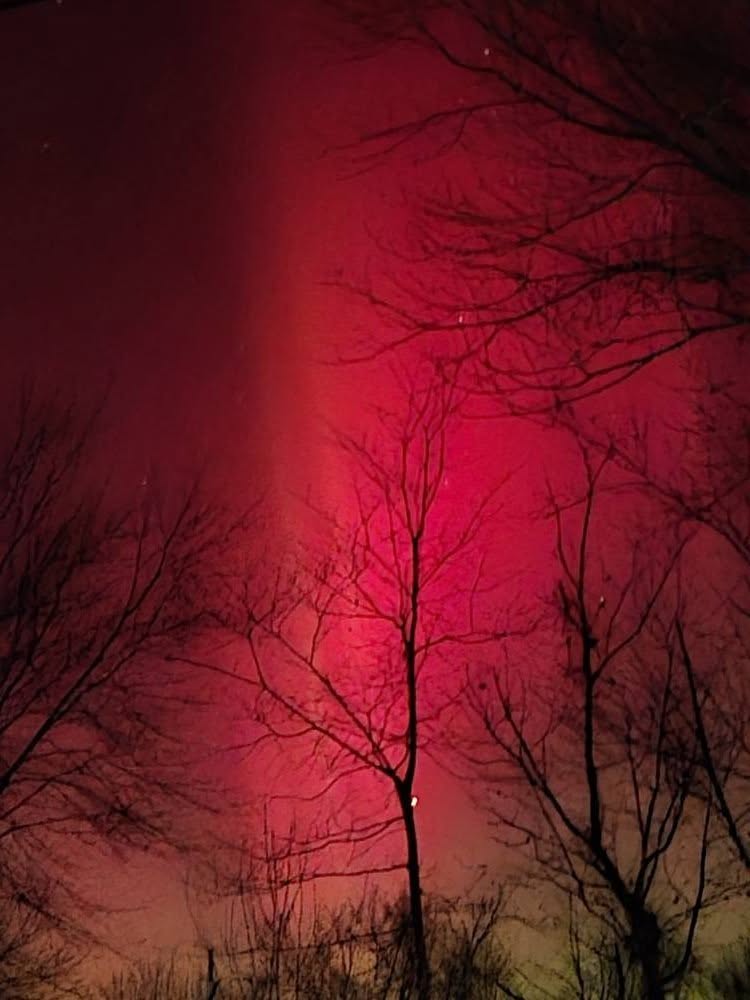
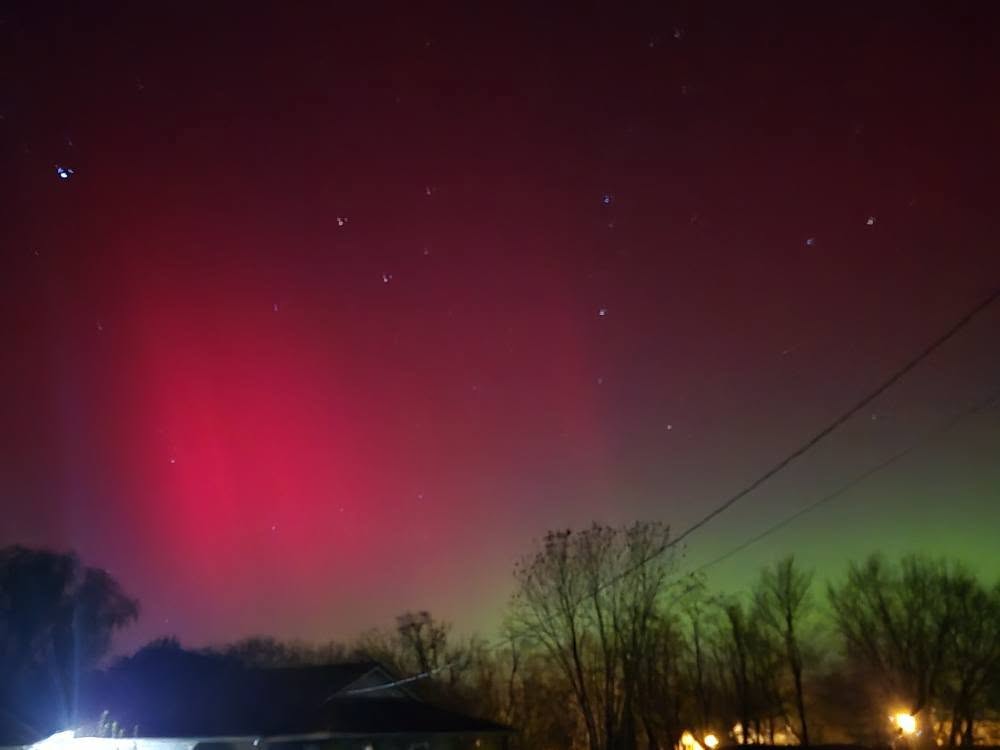
The incredible display followed the arrival of multiple coronal mass ejections (CMEs) — eruptions of magnetic field and plasma from the sun — launched by sunspot AR4274, one of the most energetic sunspot groups of the current solar cycle. The ongoing storm ranks among the strongest of Solar Cycle 25, and last night’s peak at G4 clocked in as the third strongest geomagnetic storm this solar cycle.
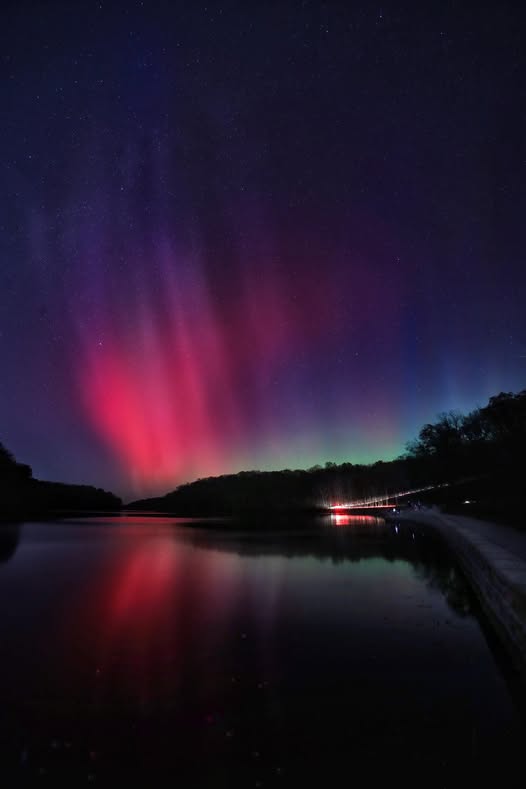
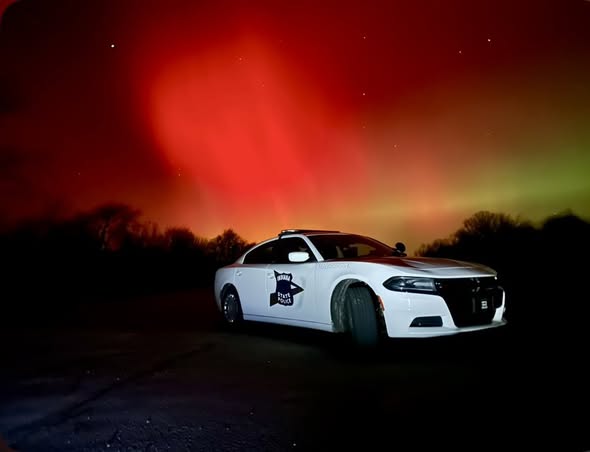
The first two CMEs struck in quick succession last night, compressing Earth’s magnetic field and unleashing spectacular aurora shows that lasted well into the night.
But the show might not be over yet! A third, faster CME, released during an X5.1 solar flare yesterday (Nov. 11), is still on the way, with NOAA and the U.K. Met Office forecasting another possible round of strong (G3) to severe (G4) conditions tonight (Nov. 12-13). If it arrives as predicted, we could even see extreme (G5) conditions, potentially pushing auroras even farther south than last night.
The celestial spectacle is caused by a potent geomagnetic storm, where charged particles from the Sun collide with Earth’s atmosphere, creating shimmering curtains and arcs of light.
If the skies are clear, the best chance to see the aurora will be late tonight and into the early morning hours, typically between 10:00 p.m. and 2:00 a.m. local time. Viewers should look low on the northern horizon.

