

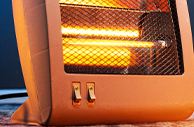
INDIANA — As cold weather settles in and Hoosiers increasingly rely on alternative heat sources like space heaters, fireplaces, and wood stoves to cut energy costs, fire officials are issuing a strong caution: these devices significantly increase the risk of a home fire.
According to the National Fire Protection Association (NFPA), alternative heating sources pose a severe threat. Between 2019 and 2023, space heaters and heating stoves were responsible for 332 deaths in home heating equipment fires across the United States. Nearly half of these heating-related fires occurred during the peak winter months of December, January, and February.
The Critical Warning: Never Use Ovens for Heat
Experts emphasize that alternative heating should always be the last option. Crucially, residents are warned never to use home appliances, such as ovens or stoves, as an alternative heating source. Doing so can be fatal due to the immediate danger of carbon monoxide (CO) poisoning.
To protect your family, ensure that smoke alarms and carbon monoxide detectors are functioning correctly before the cold season intensifies.
Essential Heating Safety Checklist
If you must use space heaters or fireplaces, caution and strict adherence to safety guidelines are essential:
Space Heater Safety
- The 3-Foot Rule: Keep space heaters at least three feet away from anything that can burn, including clothing, curtains, bedding, and furniture. This perimeter must be maintained at all times.
- Power Source: Always plug electrical space heaters directly into a wall outlet, not into multi-socket power strips or extension cords. Only use one space heater per electrical outlet.
- Turn It Off: Never leave a space heater turned on in an unoccupied room, when leaving your home, or before going to bed.
- Fueling: Refuel kerosene space heaters outside your home in a well-ventilated area and only when they have completely cooled down.
Fireplace and Wood Stove Safety
- Annual Inspection: Have heating equipment and chimneys cleaned and inspected annually by a certified professional.
- Dampers and CO: Keep the fireplace damper open while hot ashes are still in the fireplace. Closing it while the ashes are hot can trap smoke and deadly carbon monoxide, leading to poisoning.
- Extinguish Completely: Always extinguish fireplace fires completely before going to bed or leaving home.

