


WEST LAFAYETTE — Purdue University has announced a delay in its ambitious expedition to search for the lost plane of American aviation pioneer Amelia Earhart, pushing the mission’s launch back to 2026.
The expedition, known as the Taraia Object Expedition, is a joint effort involving Purdue University, the Purdue Research Foundation, and the Archaeological Legacy Institute. Its goal is to locate Earhart’s lost aircraft in the lagoon of Nikumaroro Island in the Pacific.
The team was initially scheduled to depart Majuro, Marshall Islands, on November 4, 2025. However, a news release issued Monday stated the mission must be postponed due to two key factors:
- Awaiting additional clearance from the Kiribati government for the permit approval process.
- The looming threat of seasonal weather challenges, including the onset of the South Pacific cyclone season, makes a safe departure in late 2025 impossible.
The Mission and the “Taraia Object”
Earhart, the first woman to fly solo across the Atlantic Ocean and a former career counselor for women at Purdue, disappeared along with her navigator in 1937 while attempting to circumnavigate the globe.
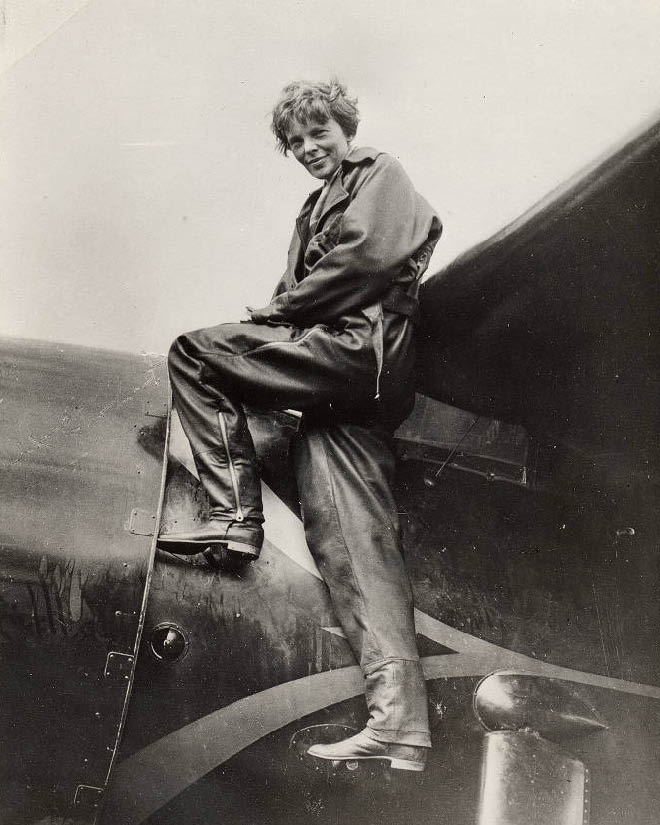
The core plan for the expedition remains unchanged: The field team will sail to Nikumaroro to confirm whether a “visual indicator” seen via satellite and other imagery in the island’s lagoon is, in fact, the wreckage of Earhart’s missing Lockheed Electra 10-E.
“Postponing a complex project like this poses logistical and financial challenges for us and our partners, but we have to take it in stride,” said Richard Pettigrew, executive director of the Archaeological Legacy Institute.
Pettigrew expressed confidence in overcoming the delay, emphasizing the compelling nature of the evidence: “Because of the compelling evidence we have in front of us, we have to go to Nikumaroro and get a close look at the Taraia Object. Rest assured, we will do just that —stay tuned! We will have a revised project schedule worked out soon.”

