

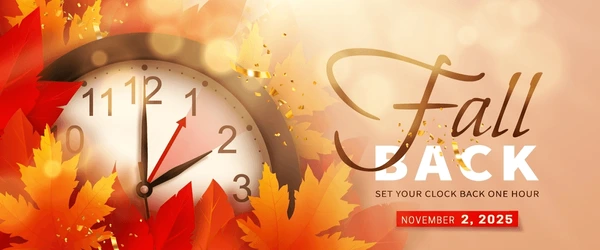
INDIANA – Indiana residents are preparing for the upcoming end of daylight saving time (DST), a familiar ritual that arrives amid ongoing legislative debate about the state’s time practices. Clocks across the country will “fall back” one hour at 2 a.m. local time on Sunday, November 2, 2025, granting most Americans an extra hour of sleep.
This year’s time change falls on the second-earliest possible date for the shift, just one day after the earliest possible date of November 1st. The return to standard time will also bring an earlier sunset and a corresponding increase in evening darkness for millions.
Hoosier State’s Split Time Zones Persist
Despite the twice-yearly time change being nationwide, Indiana faces a unique challenge due to its two-time zone split. While the majority of Indiana’s 92 counties operate on Eastern Time, 18 counties in the northwest and southwest corners of the state observe Central Time. This geographical division, which sometimes involves neighboring counties being an hour apart, often complicates commerce and daily life.
Legislative Efforts to End DST Stall
The upcoming time change highlights recent political efforts in the Indiana General Assembly to eliminate clock switching.
- A bill aiming to exempt Indiana from daylight saving time was introduced during the 2024 session but ultimately died in committee.
- The issue was revisited in the 2025 session, with three separate efforts introduced in the Indiana House; however, all three measures died while awaiting committee action.
Despite persistent calls from some residents and lawmakers to “lock the clock” and permanently remain on one time, DST remains in effect for the vast majority of the U.S.
The current DST period for most of the nation began on March 9, 2025, and will conclude on November 2, 2025. Daylight saving time is scheduled to start again on Sunday, March 8, 2026.

