


INDIANA — The Indiana State Board of Animal Health (BOAH) announced Monday that an eighth farm has been added to the state’s bird flu quarantines, marking the largest affected flock since an outbreak last spring.
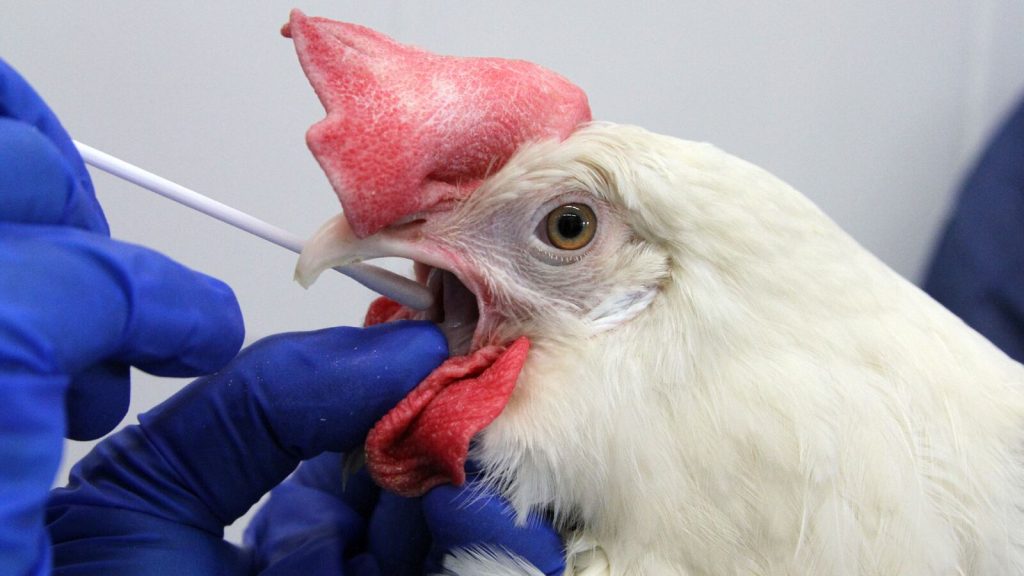
The latest quarantine involves a commercial egg layer operation in LaGrange County with nearly 23,963 chickens. This is the third commercial egg layer operation in LaGrange County to be quarantined in the past six days, bringing the total number of chickens under quarantine in the county to 63,323.
While the new cases were announced, the latest quarantined farms had not yet been added to the state’s official online dashboard as of Monday night.
Surveillance Zones Established as Cases Mount
The recent quarantines in the northern part of the state follow a major outbreak in March, when a Jay County commercial pullet operation with 1.34 million chickens was placed under quarantine. According to the state dashboard, that farm and others affected in the spring have since been approved for flock restocking.
Between October 14 and 16, five farms in Elkhart and LaGrange counties with a total of 22,621 ducks were also quarantined. Indiana ranked first in duck production in 2022.
The eight quarantined farms have triggered the establishment of surveillance zones covering commercial and noncommercial poultry facilities across LaGrange, Elkhart, and nearby Noble County to monitor and control the spread of the virus.
H5N1 Detected in Wild Birds Across State
The H5N1 avian influenza virus, responsible for the current outbreak, has been active across the United States since February 2022, affecting over 1,700 premises nationwide.
The virus continues to be detected in wild bird populations in Indiana:
- On October 18, the Indiana Department of Natural Resources (DNR) confirmed bird flu in a blue-winged teal in Greene County and in dead black vultures in Jefferson County.
- The virus is also suspected in similar cases involving black vultures in Franklin County.
Wild bird surveillance by the U.S. Department of Agriculture Wildlife Services and the DNR is ongoing, though it’s unclear how the federal government shutdown has impacted those efforts. Signs of bird flu in wild waterfowl and raptors include sudden death, neurological impairment, lack of energy and appetite, and swelling of the head, neck, and eyes.
Public Health Risk Remains Low
State and federal health officials continue to stress that the public health risk from bird flu is low. The U.S. Centers for Disease Control and Prevention (CDC) notes that human infections are rare and primarily affect those with close contact with infected birds.
Food safety is not a concern, as the Indiana State Board of Animal Health emphasizes that cooked poultry, eggs, and pasteurized dairy products are safe to consume.
However, the Indiana DNR and U.S. Fish and Wildlife Service urge caution and provide the following guidelines:
| Activity | Recommendation |
| Contact with Wildlife | Avoid all contact with sick waterfowl and other wildlife. |
| Handling Carcasses | Use disposable gloves and a mask, double-bag the carcass, and wash your hands thoroughly afterward. |
| Waterfowl Hunting | Process birds in a well-ventilated area or outdoors and wear protective gear. |
| Consumption | Meat harvested from waterfowl must be cooked to an internal temperature of 165°F. |
| General Biosecurity | Process and dispose of harvested waterfowl away from domestic animals, including poultry, cattle, and cats. |
The Indiana Department of Health advises anyone who develops symptoms—such as fever, cough, eye irritation, or other flu-like illness—after contact with waterfowl to call the agency at 317-233-7125 during business hours or 317-233-1325 after hours.

