

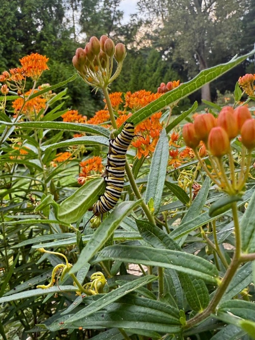
INDIANA — The Indiana Native Plant Society (INPS) is spearheading a renewed effort to replace the peony with the native butterfly milkweed (Asclepias tuberosa) as Indiana’s official state flower, arguing the current emblem lacks ecological or historical significance to the Hoosier State.

The campaign follows an internal poll of INPS members, who overwhelmingly selected the vibrant orange milkweed as their top choice. The move aims to choose a state flower that better represents Indiana’s native ecosystems and supports its wildlife, particularly the Monarch butterfly.
The current state flower, the peony, was designated in 1957. While a beautiful and popular garden perennial in Indiana, it is not native to the state, a fact that has long prompted calls for a change.

“It’s high time to select a state flower for Hoosiers that represents the beauty found in our native ecosystems in Indiana,” said Tom Hohman, a past INPS president leading the committee. “Although the peony is a beautiful perennial flower, it does not occur naturally in Indiana and has no true natural or historical significance to the state.”
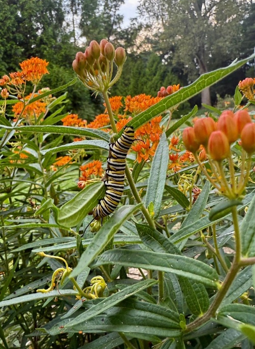
In contrast, butterfly milkweed is a showy, vibrant orange flower native to many counties across Indiana. It is easy to grow from seed, blooms in the summer, and is a vital resource for pollinators.
- Its leaves are the sole food source for the caterpillar stage of Monarch butterflies and milkweed tussock moths.
- Its pollen and nectar feed numerous bees, butterflies, and skippers.
Legislative Efforts Underway
The INPS team developed a shortlist of five candidates after soliciting feedback from various conservation organizations around the state. Butterfly milkweed was selected by members for its beauty, hardiness, and crucial connection to native wildlife.
“We’re so thrilled by the enthusiasm of our members and conservation partners throughout the state in supporting this important initiative,” said Coralie Palmer, INPS president.
This is not the first attempt to change the state flower; a similar effort 24 years ago failed to receive a legislative hearing. However, the current initiative has gained momentum with the support of several partner conservation groups.
The project team is now seeking legislators to sponsor a bill to be presented to the state legislature for potential passage. Indiana residents interested in participating in the project can contact Tom Hohman at stateflower@indiananativeplants.org.

