

WASHINGTON — The United States is facing a mounting public health challenge as measles cases continue to surge, reaching the highest level recorded in over 30 years.
According to data from the Centers for Disease Control and Prevention (CDC), at least 1,563 cases have been confirmed across 42 states as of October 7. This total represents a 500% increase from the 285 confirmed cases reported in all of 2024.
The country officially surpassed a three-decade record in July, and has since added approximately 300 more cases to the total. The last time the U.S. saw a higher case count was in 1992, when 2,126 cases were confirmed.
Reemergence After Elimination
The current spike is particularly alarming because the World Health Organization (WHO) declared measles eliminated in the U.S. in 2000. Elimination means the disease is no longer spreading domestically and occurs only when contracted outside the U.S.
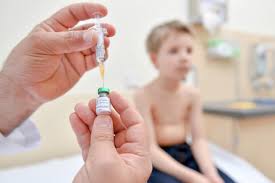
That historic milestone was credited to rising vaccination rates. However, those numbers have since slipped, particularly in rural areas.
- Around 92.5% of 2024-25 kindergartners received their required measles-mumps-rubella (MMR) shots, down from a pre-pandemic rate of 95%.
- A 95% vaccination rate is the level required for “herd immunity,” which makes it highly unlikely that a single infection will spark a larger outbreak.

“What we’re seeing with measles is a little bit of a ‘canary in a coal mine,'” said Lauren Gardner, leader of Johns Hopkins University’s independent disease tracking databases, suggesting the spike “is indicative of a problem that we know exists with vaccination attitudes in this country and just, I think, likely to get worse.”
Outbreaks and Fatalities
This year’s outbreaks started in February in under-vaccinated communities in West Texas, with some cases showing interconnections across states. So far, the rising case count has resulted in at least three fatalities: two children in Texas and one adult in New Mexico, with dozens of hospitalizations also reported.
Public health experts note that the actual number of cases may be higher, as the CDC only includes confirmed cases in its official tally.
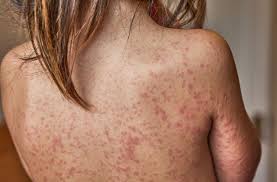
Measles is a highly contagious virus that causes a high fever, cough, red eyes, and a distinct rash, which is often one of the first visible symptoms. It is contagious for days after symptoms begin. The virus is known to cause life-threatening complications such as brain inflammation or pneumonia.
Health officials stress that the disease is incredibly infectious for anyone without the vaccine. Experts estimate that 9 out of 10 unvaccinated people in a room with an infected person will catch it. While there is no cure for measles, the two-shot vaccine provides lifelong protection.

