

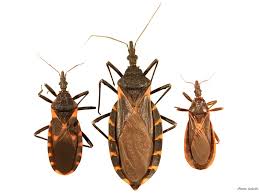
WASHINGTON D.C. — Chagas disease, a potentially fatal illness transmitted by the “kissing bug” (triatomine insect), may be becoming endemic in the United States, according to a recent report from the Centers for Disease Control and Prevention (CDC). The report, published in the CDC’s Emerging Infectious Diseases journal, challenges the long-held belief that the U.S. is “non-endemic” to the disease, which is already present in 21 countries in the Americas.
A Growing Threat
The report notes that autochthonous (or locally acquired) human cases have been reported in eight states: Texas, California, Arizona, Tennessee, Louisiana, Missouri, Mississippi, and Arkansas. The insect itself has been found in 32 states.
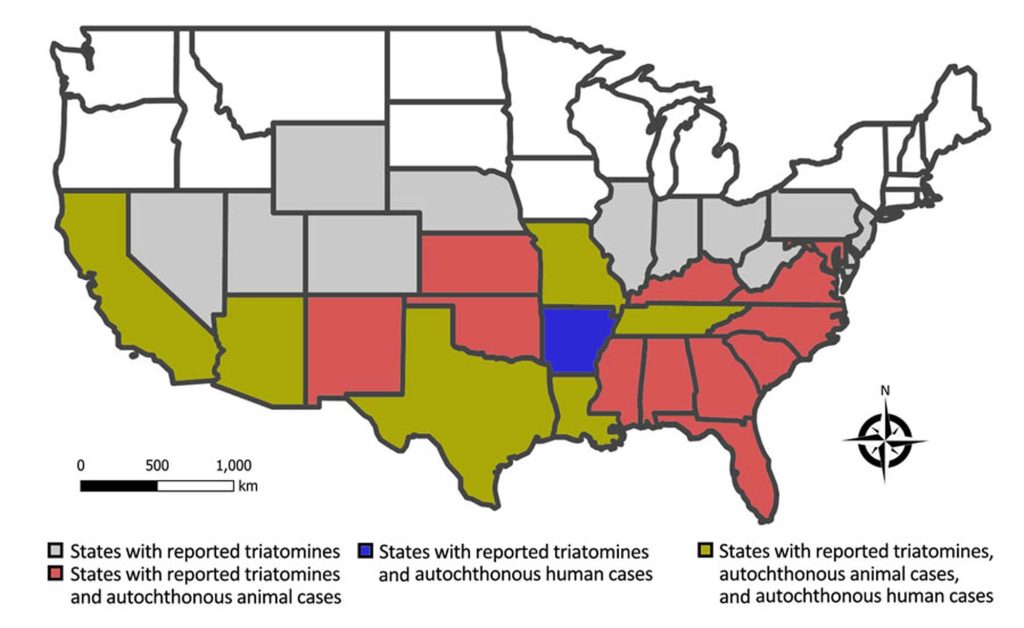
“Labeling the United States as non-Chagas disease-endemic perpetuates low awareness and underreporting,” the report states. While the data is “inadequate” to definitively prove the bugs are increasing in abundance or geographic range, the CDC says they are “increasingly recognized” due to frequent human encounters and increased research.
What is Chagas Disease?
The disease is caused by the parasite Trypanosoma cruzi, which is carried by the kissing bug. The insect gets its nickname from its habit of biting people on the face, often near the eyes or mouth. The parasite is passed in the bug’s droppings, which can then enter the body through a bite wound or by being rubbed into the eyes or mouth. It is not spread through casual contact or person-to-person transmission.
Globally, an estimated 8 million people have the disease, with around 280,000 cases in the U.S., many of which are undiagnosed.
Symptoms and Phases
In the acute phase immediately following infection, a person may develop Romaña’s sign, which is swelling of the eyelid. Other symptoms can include fever, body aches, rash, and fatigue. Some people may not experience any symptoms at all.
For those in the chronic phase, which can last for years or a lifetime, the disease can lead to serious heart and digestive issues, as the parasite can destroy nerves.
How to Stay Safe
The CDC states there is currently no vaccine to prevent Chagas disease. Prevention focuses on avoiding contact with the bugs. The CDC recommends:
- Staying in well-built accommodations when traveling.
- Using insecticides and insect repellents.
- Wearing clothing that covers your skin.
- Avoiding raw fruits and vegetables, as oral transmission is possible through contaminated food.
- Sealing windows and keeping trash, wood, and rock piles away from your home.

