

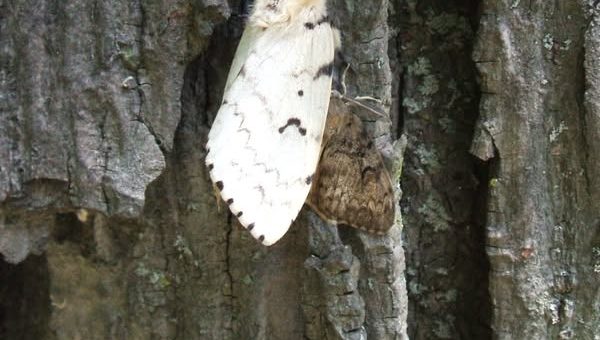
INDIANA — As “Tree Check Month” comes to a close, Indiana officials are reminding residents to be on the lookout for the spongy moth (Lymantria dispar). This invasive forest pest has become established in several northern counties.
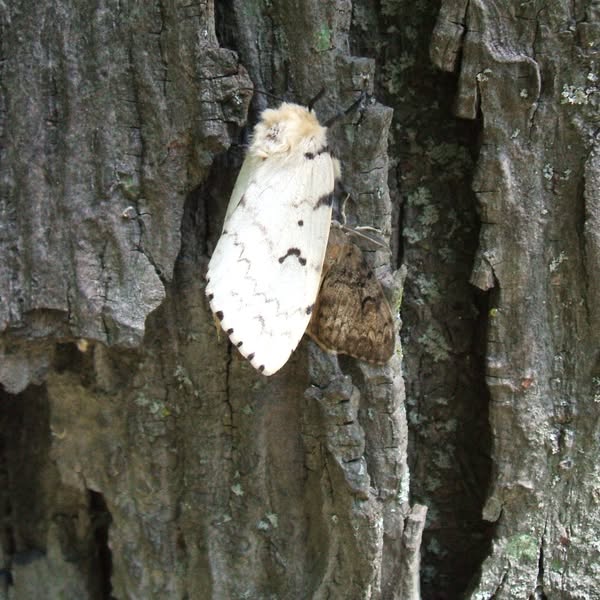
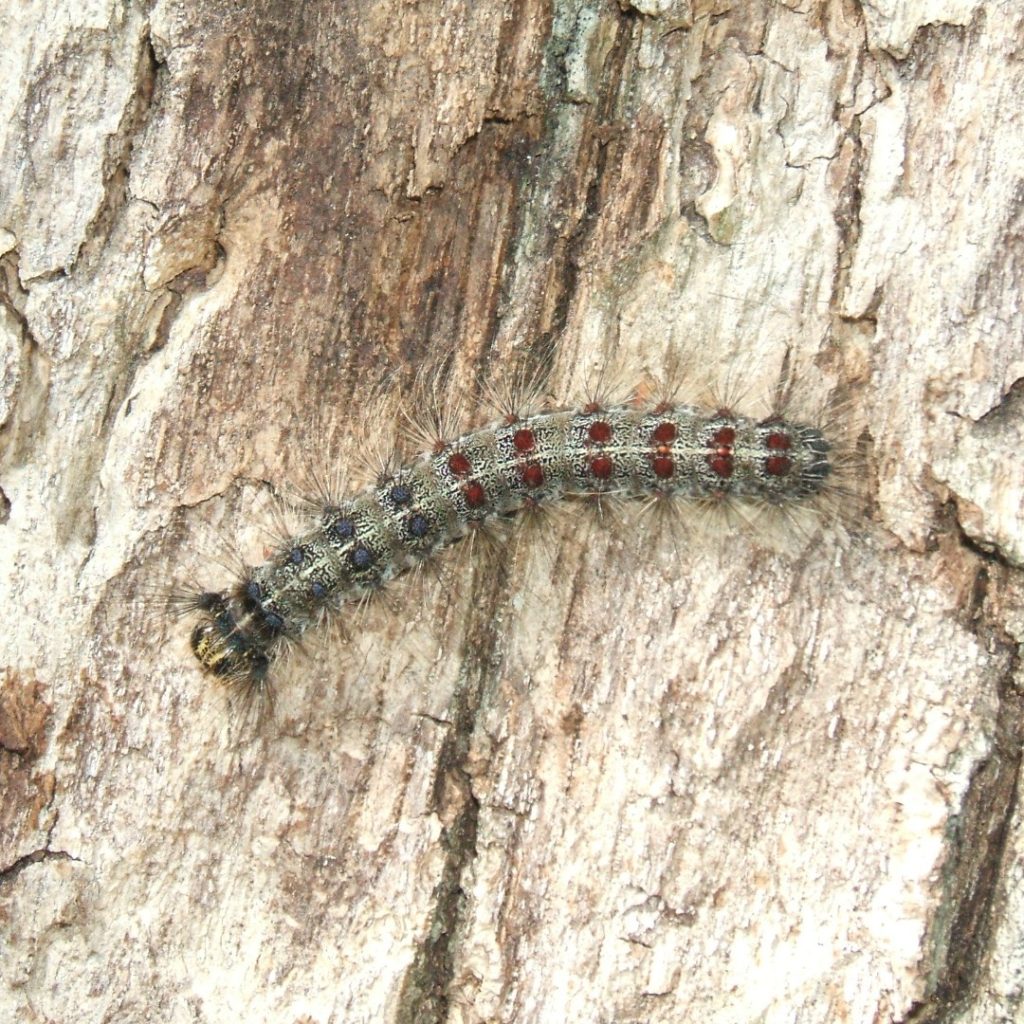
The spongy moth, a native of Europe, has spread across much of the eastern United States since its introduction in the 1860s. It is considered one of Indiana’s most devastating invasive pests due to its voracious caterpillars, which feed on the foliage of many tree species, with a particular preference for oak trees.
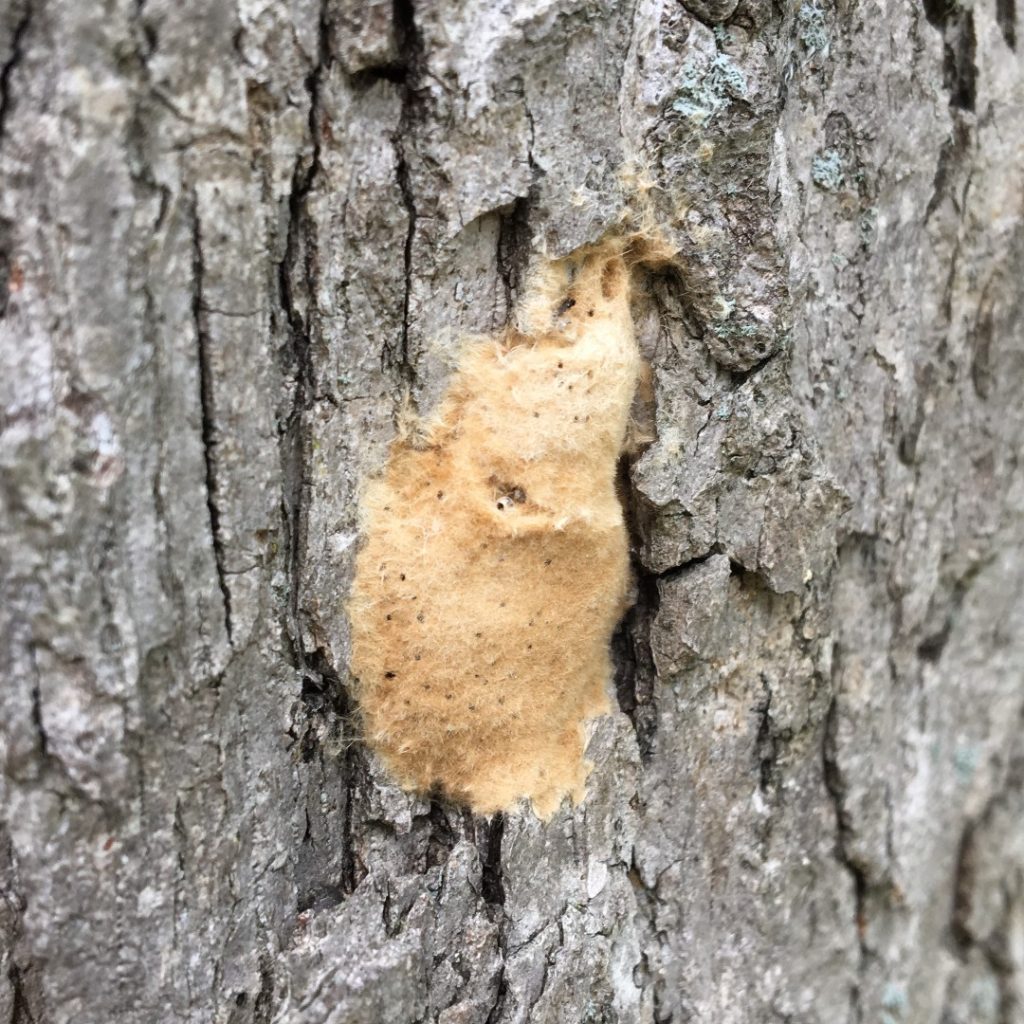
While a single season of defoliation will not typically kill a healthy tree, repeated attacks can severely stress trees, leaving them vulnerable to other pests and diseases. By this time of year, residents may be noticing trees leafing out again after a spongy moth infestation. Caterpillars are no longer present, and adults are becoming scarce, but officials note that this is the time to look for the characteristic egg masses that indicate a future problem.
Several northern Indiana counties are currently under quarantine for spongy moth. A map of the quarantined areas can be found on the Division of Entomology & Plant Pathology’s website, at on.IN.gov/spongy-moth.
The public is encouraged to report any suspicious insects or tree damage. To do so, you can contact the Division of Entomology and Plant Pathology by email at DEPP@dnr.IN.gov, by calling 1-866-NO-EXOTIC, or by using the online reporting form at on.IN.gov/report-pests. Be sure to include your name, location, and contact information with your report.

