

INDIANA – This week, the Perseid meteor shower, one of the most impressive annual celestial events, is reaching its peak. While meteors have been visible for weeks, the shower will be at its most active on the nights of August 12 and 13.
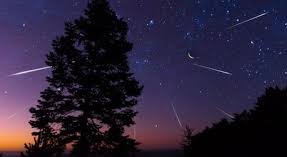
Under ideal conditions, the Perseids can produce up to 100 meteors per hour. However, a bright waning gibbous moon will be in the sky during the peak this year, which will likely wash out many of the fainter meteors. As a result, observers may see a reduced rate of 10-20 meteors per hour. The good news is that the Perseids are known for producing bright meteors and fireballs that can cut through the moonlight.
The best time to view the shower is in the pre-dawn hours, when the constellation Perseus, from which the meteors appear to radiate, is highest in the sky. For North American observers, the best hours will be between midnight and dawn.
How to Best View the Shower
To maximize your chances of seeing the meteors, find a dark location away from city lights. Your eyes will need about 30 minutes to adjust to the darkness. No special equipment is required; in fact, binoculars or telescopes will restrict your view.
The Perseids are caused by Earth passing through the debris trail left by comet 109P/Swift-Tuttle. The tiny particles from the comet hit our atmosphere at high speeds, burning up and creating the bright streaks of light we see as meteors.

