

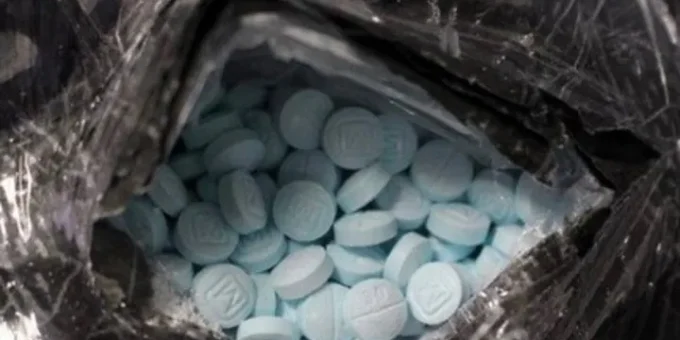
WASHINGTON, D.C. — A little-known class of synthetic opioids, known as nitazenes, is being connected to a rising number of overdose deaths in the U.S. and around the world. These drugs, which can be up to 10 times more potent than fentanyl, are posing a new threat to public health because they are challenging to detect with routine drug screenings.
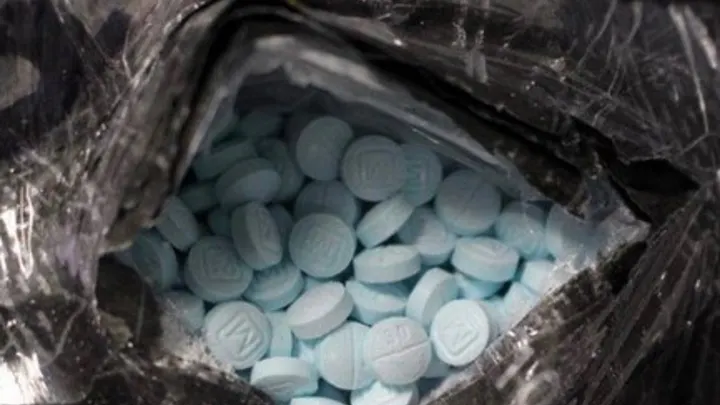
Nitazenes were initially developed in the 1950s as a powerful pain reliever but were never approved for medical use due to their high risk of overdose. They began appearing on the illicit drug market in Europe in 2019 and have since spread to North America and other continents. According to a report from the Inter-American Drug Abuse Control Commission (CICAD), nitazene use is a “growing trend in North America.”
Why Nitazenes Are So Dangerous
The primary danger of nitazenes lies in their extreme potency. Some variants are hundreds of times stronger than morphine and significantly more potent than fentanyl, making even a small dose potentially fatal. Dr. Jonathan Avery, vice chair of addiction psychiatry at NewYork-Presbyterian/Weill Cornell Medical Center, emphasized that this high potency is the main reason for the drug’s deadly effects.
A significant concern is that people are often unaware they’re consuming nitazenes. The drugs are frequently mixed with other illicit substances like heroin, pressed pills, or stimulants, making it even more deadly.
Another challenge is the limited detection capabilities for nitazenes. Medical toxicologist Dr. Ryan Marino noted that while some test strips are available, more definitive testing is costly and not widely accessible. Routine hospital and workplace drug screens often fail to detect these new synthetic opioids, complicating both treatment and law enforcement efforts.
Efforts to Combat the Threat
The U.S. Drug Enforcement Administration (DEA) has classified several types of nitazenes, including isotonitazene (ISO), as Schedule 1 drugs. The drugs are primarily produced in illicit labs overseas, often in places like China and India, and are trafficked into the U.S. through the same channels as fentanyl. Gamberg explained that as authorities crack down on fentanyl, traffickers simply pivot to these new, cheap, and easy-to-produce synthetics to evade enforcement.
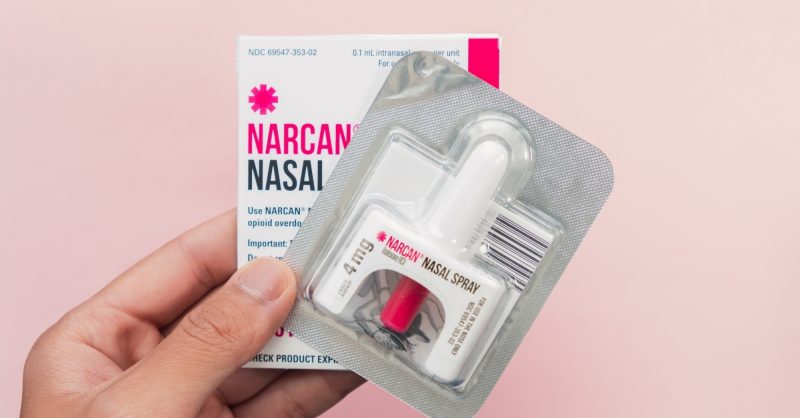
Despite the challenges, experts say there are ways to mitigate the risk. While the drugs are highly potent, overdoses can still be reversed with naloxone (Narcan), though multiple doses may be required. Experts are also calling for increased public awareness, widespread naloxone distribution, and specialized drug-checking tools to identify nitazenes in the illicit drug supply.