


INDIANA – While Attention-Deficit/Hyperactivity Disorder (ADHD) medications are crucial for managing symptoms in many children, a leading dental expert is sounding the alarm about significant and often overlooked side effects on oral health. With 11.4% of children diagnosed with ADHD, and over 80% in some states (like Nebraska) receiving medication, dental professionals are urging parents to be proactive in protecting their children’s teeth. In Indiana, 64.4% of children with ADHD are prescribed medication.
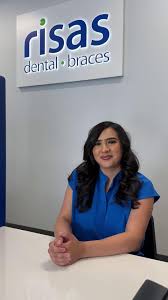
Dr. Elizabeth Walton, a dental expert at Risas Dental and Braces, highlights the primary concern: dry mouth, a common side effect of many medications, including those for ADHD like Adderall and Ritalin.
“Just like a lot of medications, ADHD medications can cause dry mouth, and that’s something parents really need to be aware of,” says Dr. Walton. She emphasizes the vital role of saliva in oral health. “Saliva is incredibly important when it comes to protecting your teeth. It helps wash away food particles and neutralize acids. And it also helps create a protective coating on your teeth called the pellicle, this acts like a natural barrier against acid and sugar attacks.”
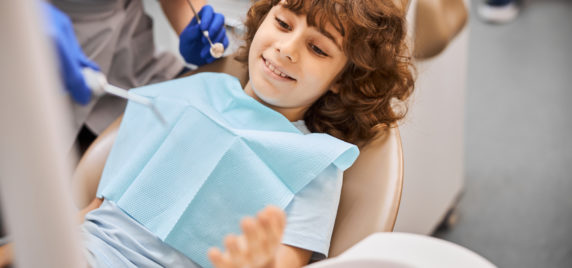
The reduced saliva flow due to medication leaves teeth significantly more vulnerable to decay, making it easier for cavities to form even with regular brushing. Dr. Walton also notes that ADHD medications can increase teeth grinding (bruxism), which can be particularly damaging in young children and, in severe cases, may even lead to tooth extraction.
States with Highest Medication Rates:
Data from the Centers for Disease Control and Prevention (CDC) reveal states where a high percentage of children diagnosed with ADHD are taking medication:
- Nebraska: 81.40%
- Alabama: 77%
- Delaware: 75.40%
- Louisiana: 73.90%
- Mississippi: 73.80%
- Kentucky: 73.70%
- Texas: 71.80%
- South Dakota: 70.40%
- Wisconsin: 69.80%
- Georgia: 69.50%
- Maryland: 68.50%
- West Virginia: 67.50%
- Oklahoma: 66.10%
- Rhode Island: 65.80%
- Montana: 65.60%
- Iowa: 65.40%
- New Hampshire: 65.40%
- Florida: 65.10%
- Minnesota: 64.90%
- Illinois: 64.60%
- North Carolina: 64.50%
- Indiana: 64.40%
What Parents Need to Know: Dr. Walton’s Advice
Dr. Walton offers key insights and practical tips for parents:
- Visible Signs: “Dry mouth and grinding are some of the signs that an ADHD medication is impacting your child’s oral health. If they are talking to you and their lips get stuck on their teeth — that is dry mouth.”
- Long-Term Impact: “Yes, it [long-term use] increases the incidence of dental decay and gum issues resulting from dry mouth.”
- At-Home Tips: “Increase water consumption. Consider trying alkaline water to help balance acidic oral environments and thereby decrease decay. You can also speak to your dentist to get a prescription-strength toothpaste.”
- Dental Visits: Pediatric dentists are more vigilant for decay and proactive in discussing home hygiene. They may suggest water flossers, floss picks, and dietary adjustments. They also adapt their communication style for children with ADHD, using shorter messages and minimizing distractions.
- Behavioral Impact: ADHD behaviors like impulsiveness and difficulty with routine can affect consistent brushing and increase the risk of oral trauma.
- Untreated Issues: Uncontrolled ADHD symptoms can exacerbate pain experience, making dental treatment more challenging and potentially leading to chronic pain. Patients may require sedation for even small cavities.
- Common Treatments: Children on ADHD medication often require more advanced decay treatments, including nerve treatments and crowns, and may necessitate sedation for dental procedures.
“It’s not about stopping the medication — it’s about managing the side effects,” Dr. Walton emphasizes, urging parents to discuss protective strategies like fluoride treatments, mouthguards, and regular hydration with their child’s dentist.
More information and tips are available at Risas Dental and Braces.

