

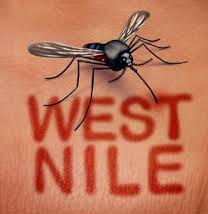
INDIANA – Indiana has reported its first human case of West Nile virus (WNV) for the 2025 season in a resident of Vanderburgh County. The Indiana Department of Health (IDOH) is not releasing additional details to protect patient privacy.
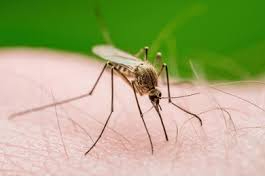
The detection of WNV activity extends beyond this single case, with the virus identified in mosquito samples from 15 counties across the state, resulting in a total of 56 positive samples. Last year, Indiana recorded 11 human cases of WNV.

State Health Commissioner Dr. Lindsay Weaver emphasized the importance of prevention, particularly in light of recent heavy rainfall and projected high temperatures. “We have already had mosquitoes test positive for WNV this season,” Dr. Weaver said. “With large amounts of recent rainfall and projected high temperatures continuing this week, Hoosiers in all parts of the state should take steps to remove breeding sites around their homes.”
The IDOH anticipates an increase in WNV cases as mosquito season progresses and urges Hoosiers to take precautions against mosquito bites to reduce the risk of mosquito-borne illnesses, including Eastern Equine Encephalitis (EEE) and La Crosse Encephalitis.
Key prevention steps include:
- Using EPA-registered insect repellents containing DEET, picaridin, or other approved active ingredients.
- Wearing protective clothing such as loose-fitting, long-sleeved shirts and pants.
- Installing and maintaining screens on windows and doors.
- Eliminating standing water sources around homes, even small amounts, as they can serve as mosquito breeding sites. This includes regularly emptying trash, tires, buckets, and pet bowls.
- Maintaining properties by mowing grass, trimming shrubs, and cleaning gutters.
Most individuals infected with WNV experience no symptoms or mild flu-like symptoms, including fever, headache, body aches, or rash. However, a small percentage may develop severe neurological conditions such as brain or spinal cord inflammation, muscle paralysis, or even death. Individuals over 60 years old and those with weakened immune systems face a higher risk of severe illness. Anyone suspected of having WNV infection should consult their healthcare provider.
For more information, visit www.health.in.gov or follow @StateHealthIN on X and www.facebook.com/StateHealthIN on Facebook.

