

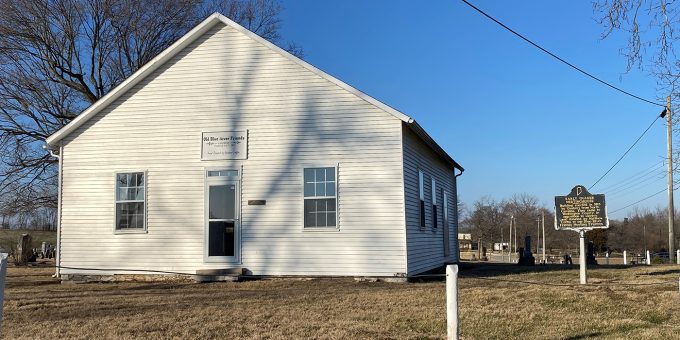
SALEM – A significant chapter in Indiana’s pre-statehood history has received national recognition with the listing of the Blue River Quaker Settlement Rural Historic District on the National Register of Historic Places. This designation highlights the profound impact of early Quaker settlers and the vital role the community played in aiding freedom-seekers in the early 19th century.
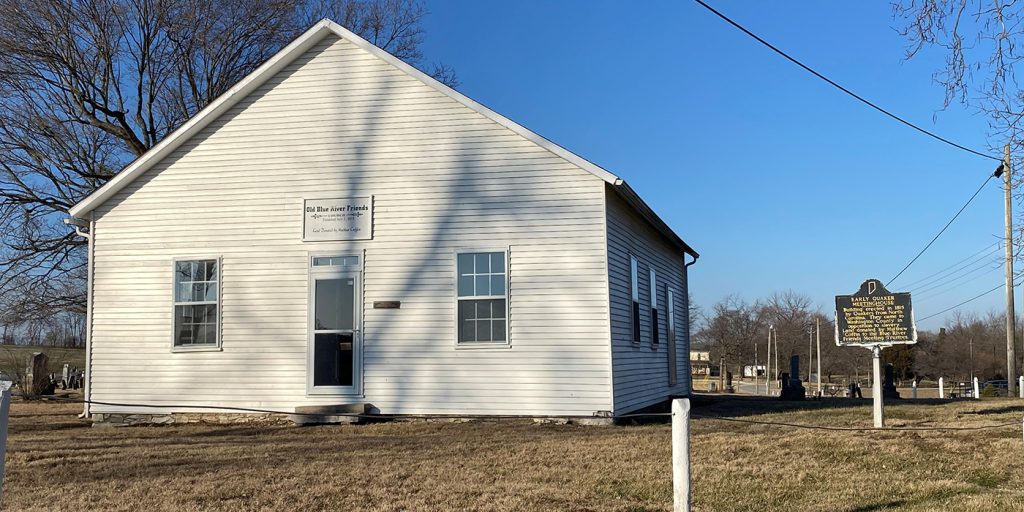
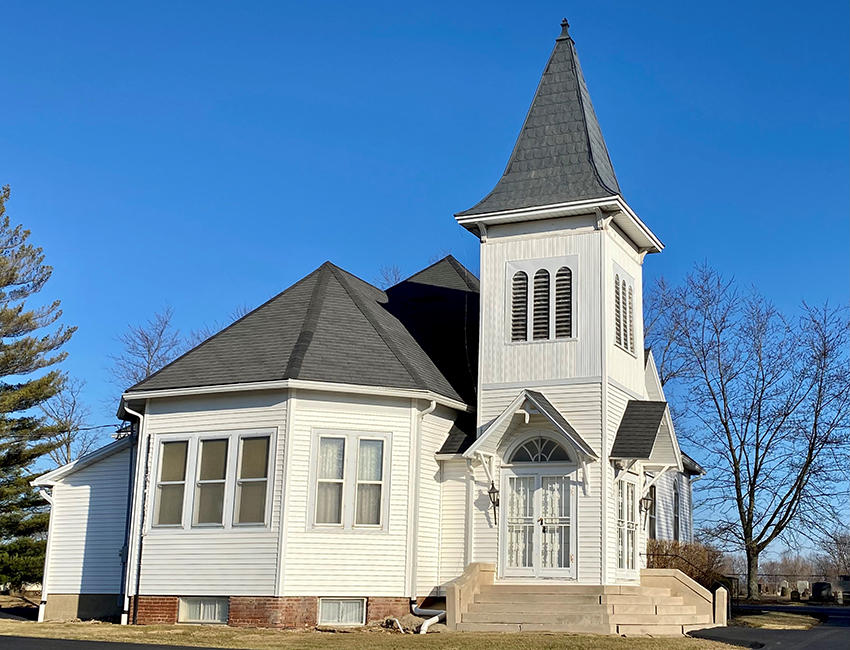
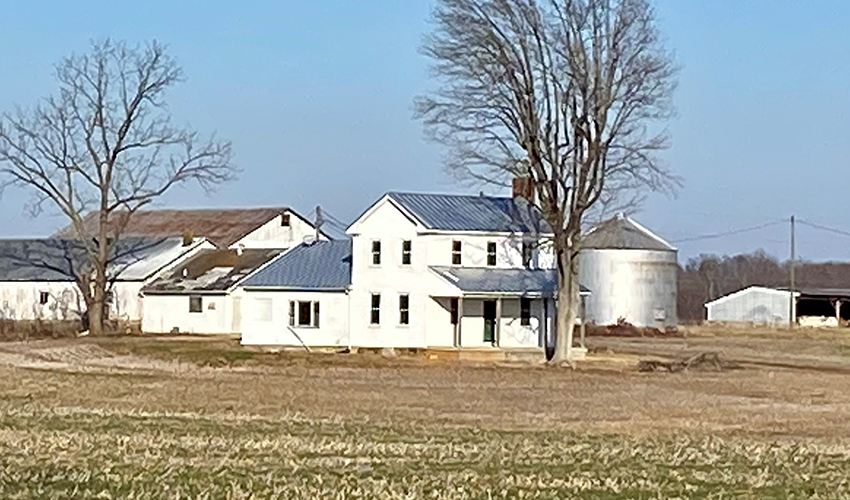
Quakers from North Carolina, driven by their opposition to slavery, began settling in southern Indiana in 1804. Drawn to the landscape’s resemblance to their home region, families like the Spurgeons, Lindleys, Albertsons, Coffins, Hobbs, Moores, Newbys, and Truebloods established farms and a meeting house. Many multi-generational farmsteads connected to these pioneering families remain within the newly recognized historic district today.
The Quaker community also became a safe haven for free Blacks and those fleeing slavery, who formed their settlements nearby, including an area known as “Africa Town” east of Salem. Prominent Quakers, including minister Thomas Trueblood and James Thompson, were known to have actively assisted escaping slaves as part of the clandestine network now recognized as the Underground Railroad. Quaker families within the Blue River Settlement played a significant role in sponsoring freedom certificates and emancipation papers for several Black individuals in the area.
While physical remnants of these early Black settlements have vanished, efforts have been made to preserve their memory. The site of the Salem AME Church and its associated cemetery, considered the oldest burying ground for African Americans in Washington County, has been preserved and marked with a historical marker, despite the church no longer standing and no gravestones remaining. Additional African American graves are also known to exist within the Blue River Friends Orthodox Cemetery, located within the historic district.
The nomination of the Blue River Quaker Settlement Rural Historic District was supported by a $6,000 grant from Indiana Landmarks’ Sacred Places Indiana program to Salem’s John Hay Center, which commissioned Kurt Garner Consulting for the research and preparation.
“As one of the many descendants still residing in Washington County from several of the pioneering Quaker families that settled the Blue River Quaker community, I’m thrilled to see the proper recognition bestowed upon these historically significant people and their laborious efforts and contributions to civilize our county and state,” said Jeremy Elliott, Executive Director of the John Hay Center.
Information provided by Indiana Landmarks.