


UNITED STATES – A new analysis by Yijin Hardware sheds light on workplace safety across various occupations, identifying the safest and most accessible jobs, as well as those with the highest rates of fatal injuries.

The study, prompted by the U.S. recording 5,283 fatal work injuries in a single year, evaluated occupations primarily based on their deadly work injury rate per 100,000 full-time workers and total fatal injuries.
The research also factored in projected job openings from 2023 to 2033, median annual wages, and typical education and training requirements, providing a holistic view for individuals seeking stable and secure career options.
The Safest and Most Accessible Jobs:
According to the findings, Office & Administrative Support roles emerged as the best low-risk job, boasting the lowest fatal injury rate at just 1 per 100,000 workers, with a total of 86 fatal injuries annually. This sector, which often requires only a high school diploma or its equivalent, also offers competitive wages, averaging $46,000 annually, making it an attractive option for those seeking safety and stability.
Following closely in safety are:
- Production Workers: With a fatal injury rate of 3 per 100,000 workers and 280 total fatalities, production roles combine hands-on tasks with a low risk, typically requiring a high school diploma and offering 29,000 annual openings with a median wage of $38,000.
- Installation and Repair: Ranking third safest, this field has a fatal injury rate of 9 per 100,000 workers and fewer than 450 annual deaths. It offers a median salary of $47,000, typically requires no formal degree, and provides significant accessibility with 11,000 yearly openings.
- Construction and Extraction: Surprisingly, this industry is deemed one of the safest high-paying jobs, with a low fatal injury rate of 13 per 100,000 workers and 1,055 total fatalities. It offers the highest median annual wage on the safe list, at $78,600, with experience often being valued more highly than formal education.
- Transportation and Material Moving: This category earns its spot due to strict safety standards and a low fatal injury rate of 14 per 100,000 workers (1,495 total fatalities). With a median salary of $62,000 and 63,000 projected job openings annually, it offers both security and stability.
The Most Dangerous Occupations:
Conversely, the study identified the occupations with the highest inherent risks:
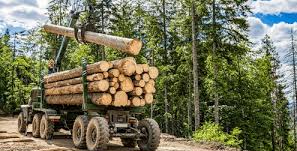
- Logging Workers topped the list as the most dangerous job, with an alarming fatal injury rate of 99 per 100,000 workers. This profession records 52 fatalities annually due to hazards like falling trees and unsafe equipment.
- Fishing and Hunting Workers ranked second, facing a significant fatal injury rate of 87 per 100,000 workers, resulting in 19 annual fatalities, mainly due to unpredictable weather and remote conditions.
- Roofers followed with a fatal work injury rate of 52 per 100,000 workers, accounting for 113 total fatalities per year, primarily from falls.
- Refuse and Recyclable Material Collectors placed fourth, with 41 fatal injuries among a relatively small workforce, highlighting the high-risk physical exposure involved despite requiring no formal education.

Gavin Yi, CEO of Yijin Hardware, commented on the findings, “Ensuring workplace safety is essential for protecting workers across all industries. Jobs with low injury rates provide not only peace of mind but also long-term stability and opportunity. It’s important to recognize and promote careers that offer both security and growth, especially for those entering the workforce without a college degree.”

