

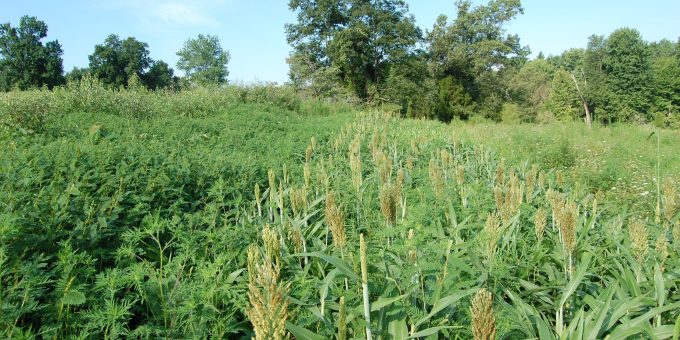
INDIANA – Indiana landowners seeking to enhance their hunting success and support local ecosystems are encouraged to develop habitat improvement plans for their properties. Summer is an ideal time to scout for deer and other wildlife, and the Indiana Department of Natural Resources (DNR) offers a variety of financial and technical assistance programs to support these efforts.
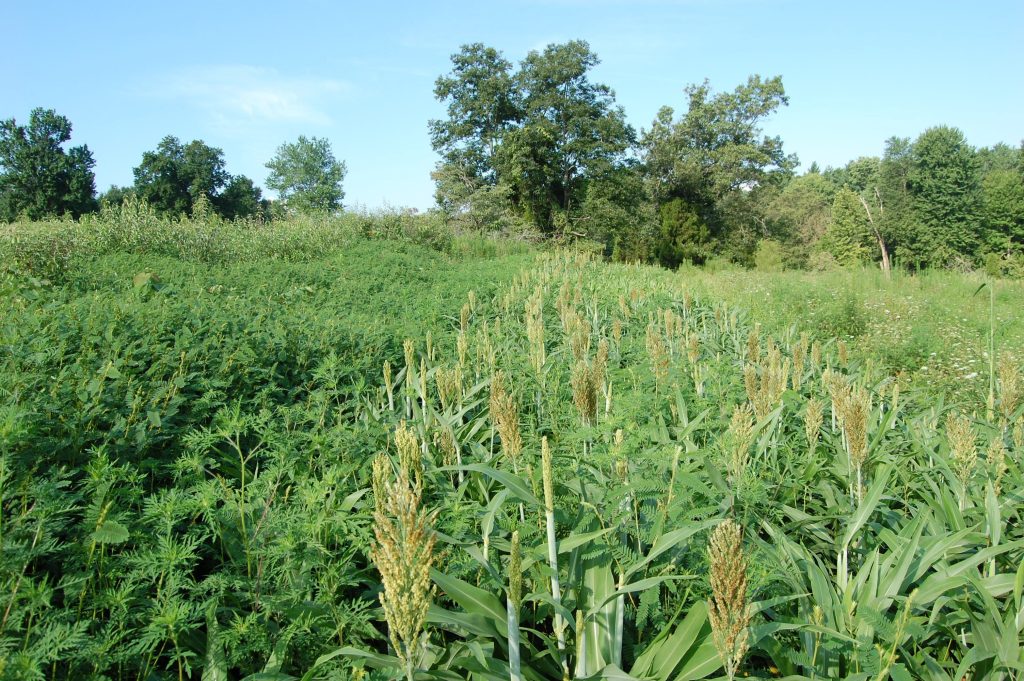
Habitat improvements, such as prescribed burns, installing food plots, planting warm-season grasses, and designing tree/shrub coverts, not only benefit game species but also support a wide range of native plants and animals.
The Indiana DNR Division of Fish & Wildlife (DFW) provides several programs for landowners with 5 or more acres:
- Game Bird Habitat Development Program: Reimburses a portion of expenses (up to $330 per acre) for developing habitat for species like Northern bobwhite, pheasants, and wild turkey.
- Indiana Private Lands Access Program (IPLA): Offers financial incentives to landowners who permit controlled public access hunting for specific game birds, while also assisting with habitat improvement.
- Wildlife Habitat Cost-Share Program: Reimburses a portion of costs for general wildlife habitat development projects.
- Game Bird Partnership Program: DFW partners with conservation organizations to reimburse a portion of expenses for game bird habitat, with DFW contributing up to 50% (not to exceed $330 per acre).
- N.E. Wetland/Grassland Restoration Program: Collaborates with partners to reimburse landowners up to 100% of expenses for wetland restoration and native grass establishment in specific northern Indiana counties.
- Urban Wildlife Habitat Cost Share Program: Supports urban habitat development in major metropolitan regions (Indianapolis, Fort Wayne, South Bend/Mishawaka/Elkhart), requiring at least one other financial partner.
- Grasslands for Gamebirds & Songbirds: A partnership program providing technical assistance, financial cost-share, and incentive payments for developing grassland and pollinator habitat in five focal regions.
For communities facing human-deer conflicts, information on Managed Hunting programs is also available, providing technical assistance for administering localized hunting initiatives.

The Indiana DNR Division of Forestry offers the Classified Forest and Wildlands Program, which provides a property tax reduction for landowners with 10 or more acres who follow a professionally written management plan. Participants also receive free technical assistance and priority for cost-share funding.
Additionally, federal programs through the United States Department of Agriculture (USDA) are available:
- Farm Service Agency (FSA) Conservation Reserve Program (CRP): Voluntary land-retirement programs (General and Continuous Sign-Up) offering annual payments and cost-share for establishing conservation covers like native grasses, tree planting, and habitat buffers.
- Conservation Reserve Enhancement Program (CREP): A targeted program providing enhanced financial assistance for buffer practices in specific Indiana watersheds.
- Natural Resources Conservation Service (NRCS) Wetland Reserve Easements (WRE): Provides technical and financial assistance for wetland restoration, with various easement options.
- Environmental Quality Incentives Program (EQIP): Offers technical and financial assistance to farmers for conservation practices that benefit wildlife and protect soil and water quality, reimbursing at predetermined rates.
The U.S. Fish and Wildlife Service also runs the Partners for Fish and Wildlife Program, offering financial assistance for wetland and other habitat restoration on private lands.
Landowners interested in these programs or seeking personalized advice can contact their local DNR district biologist or district forester for assistance.

