

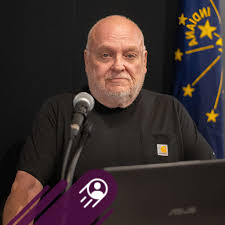
BEDFORD – In a testament to his unwavering dedication and impactful advocacy, Arthur L. Hill of Bedford has been appointed to the Board of Directors of Dialysis Patient Citizens (DPC), the leading national organization championing the rights of dialysis patients. Hill, a dialysis patient himself for the past 15 years, brings a wealth of personal experience and a proven track record of making a tangible difference in the lives of those living with kidney disease.
“I am proud to join the DPC Board of Directors and look forward to contributing to its tireless efforts advocating on behalf of dialysis patients everywhere,” said Mr. Hill. “During my time on dialysis, I have dedicated myself to helping fellow patients cope with their treatments, turning my health journey into a mission of service. I am excited to expand on that work and influence national kidney care policy at the highest levels as a member of the DPC Board of Directors.”
This national leadership role comes on the heels of Hill’s instrumental work in passing Indiana Senate Bill 215. This landmark legislation successfully lowered monthly Medigap premiums for dialysis patients under the age of 65 in the state, providing much-needed financial relief to a vulnerable population.
During a pivotal legislative hearing, Hill bravely shared his dialysis journey, painting a vivid picture of the challenges he has faced and the urgent need for policy change. His heartfelt and powerful testimony resonated deeply with lawmakers, moving them to take decisive action that directly led to the passage of Senate Bill 215. This crucial bill now ensures that younger dialysis patients in Indiana have access to more affordable Medicare Part D plans.
Beyond his legislative success, Hill is a dedicated voice for the dialysis community, having authored numerous articles that address critical issues, shared his experiences of coping with chronic disease, and inspired others to live productive lives despite their health challenges. His current focus lies in the ongoing national efforts to safeguard dialysis patients’ access to private insurance coverage.
The appointment of Hill comes at a critical time for dialysis patients nationwide. Federal law has historically allowed individuals with End-Stage Renal Disease (ESRD) to remain on their employer-sponsored health coverage for 30 months post-diagnosis before transitioning to Medicare. This period is vital for ensuring a seamless transition to dialysis, facilitating potential kidney transplants, protecting dependent coverage not available through Medicare, and providing crucial financial stability during a challenging time.
However, a recent Supreme Court ruling in Marietta Memorial Hospital v. DaVita has weakened these long-standing patient protections. This decision has the potential to force patients to prematurely lose their employer-sponsored coverage and switch to Medicare, which could disrupt their care and financial well-being. This ruling overturned a 40-year understanding of the law that prevented employers from imposing limitations specifically targeting dialysis treatments. Employer-sponsored plans often offer more comprehensive care options that Medicare does not cover, making them invaluable for many patients and their families.
Recognizing the urgent need to restore these vital protections, DPC is actively working to pass the bipartisan Restore Protections for Dialysis Patients Act (S. 1173 and H.R. 2199). This crucial bill aims to reinstate access to critical health insurance coverage for dialysis patients who choose it. The legislation has garnered bipartisan support in both the Senate and the House of Representatives.
Arthur L. Hill’s appointment to the DPC Board of Directors signifies a powerful addition to the organization’s leadership. His personal experience, coupled with his proven ability to drive meaningful change, will undoubtedly be invaluable in the ongoing fight to protect and improve the lives of dialysis patients nationwide. His heartfelt advocacy serves as an inspiration and a reminder of the profound impact one individual’s voice can have in shaping a more just and compassionate healthcare landscape.

