

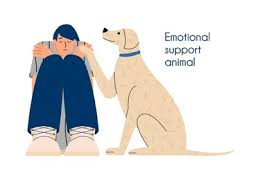
INDIANA – While emotional support animals (ESAs) offer crucial comfort to individuals with mental health conditions, knowing where they are legally permitted can be confusing. Nick Jordan, founder of Your Service Animal, sheds light on the current access rights for ESAs in the United States for 2025.
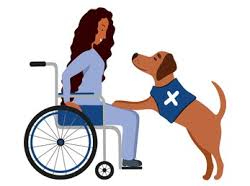
Jordan emphasizes the fundamental difference between service animals and emotional support animals (ESAs). “Service animals are trained to perform specific tasks for individuals with disabilities, whereas emotional support animals provide comfort through their presence alone. This distinction significantly impacts where they are legally allowed.”
Where ESAs Have Legal Protections:
- Housing: The Fair Housing Act (FHA) offers the most robust protection for ESAs. “Housing providers must make reasonable accommodations for emotional support animals, even in buildings with no-pet policies,” explains Jordan. Landlords typically cannot charge pet fees or deposits for documented ESAs and cannot deny housing based on breed or size restrictions. Proper documentation, specifically an ESA letter from a licensed mental health professional, is crucial for these protections.
- Some College Dormitories: Following FHA guidelines, many colleges and universities allow ESAs in campus housing with appropriate documentation. Jordan advises checking with the school’s disability services office for specific policies.
Where ESAs Lack Federal Protection:
- Public Establishments: Unlike service animals protected under the Americans with Disabilities Act (ADA), ESAs do not have federal access rights to restaurants, stores, hotels, or other public accommodations. Businesses can legally deny entry to ESAs, even if they have documentation.
- Airlines: A significant change in December 2020, updating the Air Carrier Access Act (ACAA), means that airlines are no longer federally required to accommodate emotional support animals (ESAs) in the cabin. Most major airlines now treat ESAs as pets, requiring them to travel in carriers, often with associated fees.
- Workplaces: The ADA does not mandate employers to allow ESAs in the workplace. While some employers may voluntarily permit them, it is not a legal requirement under federal law.
Addressing Common Misconceptions:
Jordan also tackles common misunderstandings surrounding ESA rights:
- “ESA Registration” Invalidation: There is no official federal registry for ESAs. Online “registrations” lack legal standing. A legitimate ESA letter from a licensed mental health professional is the only valid documentation.
- State vs. Federal Law: While federal law provides minimum standards, some states and municipalities may have additional protections for ESAs, potentially expanding public access or adding protections in specific settings.
- Documentation Requirements: A valid ESA letter must be from a licensed mental health professional actively treating the individual, written on professional letterhead, and explicitly state the need for the animal.
Jordan advises ESA owners to be proactive and informed: “The confusion around emotional support animal access rights stems from misunderstanding laws that have changed significantly in recent years… Always call ahead to find out an establishment’s pet policies. Keep your ESA letter accessible, but remember it doesn’t guarantee access in most public places.” He encourages owners to focus on areas where ESAs have legal protection, like housing, and to develop backup plans for travel and public outings to ensure both their well-being and respectful interactions with various establishments.

