


INDIANA – According to recent government data, U.S. egg prices have reached a record high, driven by the ongoing bird flu outbreak. This price surge, the largest since the 2015 outbreak, significantly contributed to last month’s rise in food costs. Prices vary across the country, with some areas seeing costs of $10 or more per carton, especially for specialized varieties like organic and cage-free. Supply shortages and purchase limits are also affecting consumers.
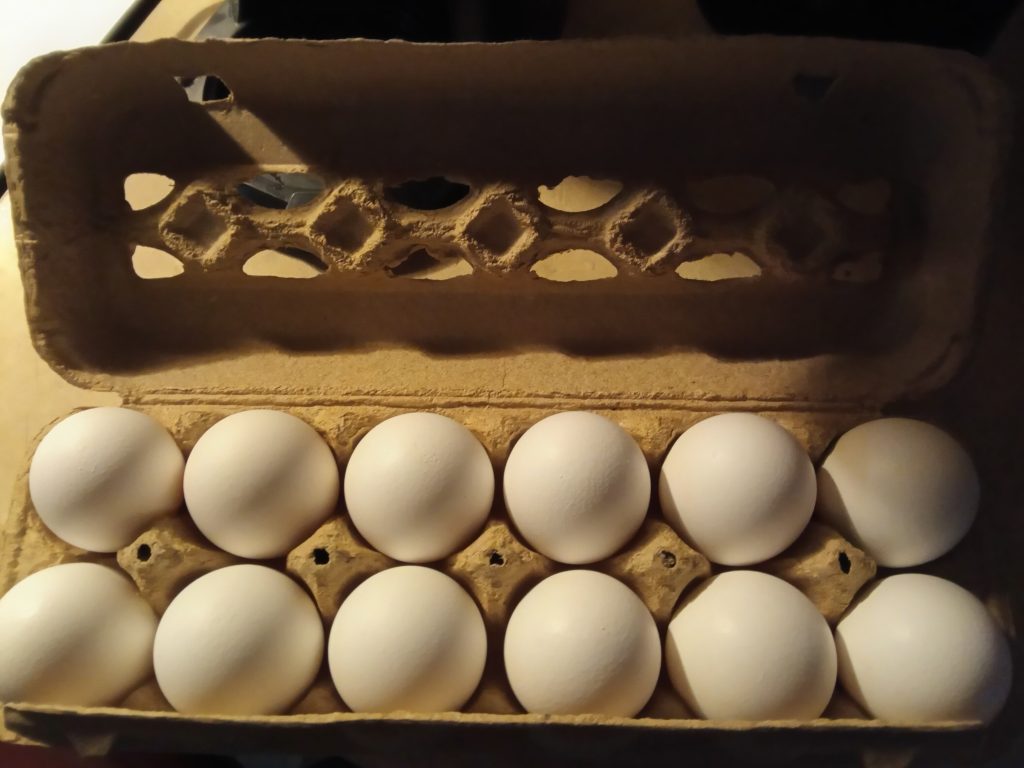
The primary driver of the price increase is the bird flu outbreak, which has led to the culling of nearly 158 million birds since it began. Millions of birds, primarily egg-laying chickens, have been slaughtered to contain the virus’s spread in recent months. The impact of these culls is prolonged, as it takes time to dispose of carcasses, sanitize facilities, and raise new flocks to egg-laying age.
A devastating avian flu outbreak in Jackson County resulted in the culling of 2.8 million egg-laying hens in January 2025. This marks the largest outbreak since the state began experiencing cases of this specific bird flu strain in 2022.
While bird flu cases often peak during migration seasons, outbreaks can occur year-round. The virus has also been detected in other animals, including cattle, and infected some humans, mainly farmworkers. However, health officials emphasize that the risk to human health remains low, and properly cooked eggs and poultry are safe to consume.
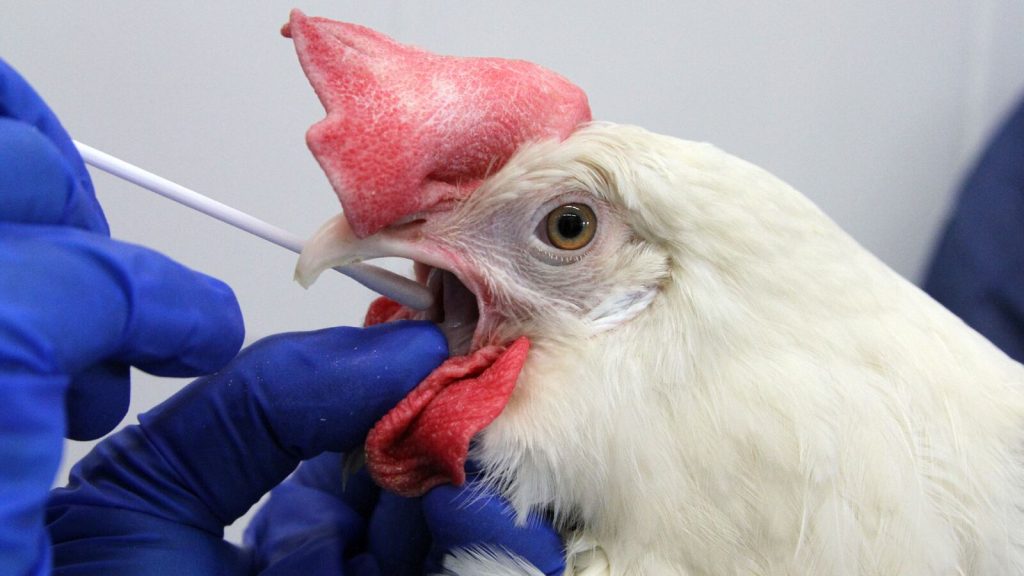
In addition to the bird flu, other factors contributing to higher egg prices include increased feed, fuel, and labor costs due to inflation and farmers’ investments in enhanced biosecurity measures.
The growing number of states requiring cage-free eggs can also magnify price fluctuations when outbreaks occur at cage-free farms.

