

INDIANAPOLIS – Access to health care is a persistent problem in rural communities, driving up the price of care for Hoosiers. Governor Mike Braun has made closing the rural health care gap a major affordability priority and today announced a big win in that mission: Indiana has been awarded nearly $209 million for the second year of the five-year federal Rural Health Transformation Program (RHTP). The funding will continue the work of the Indiana Department of Health and Family and Social Services Administration to improve health outcomes and access to care in Indiana’s rural communities.
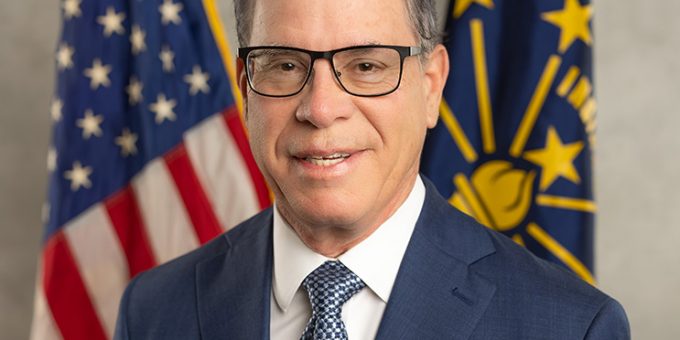
“As Governor, I’ve taken decisive action to make health care in Indiana more transparent, accessible, and affordable. Hoosiers in rural areas face gaps in access to health care, and the Rural Health Transformation Program will help close those gaps by creating more care options. This program has now contributed over $400 million in closing the rural health care gap, and will continue expanding access to care, giving rural Hoosiers more options closer to home and helping make health care more affordable.”– Governor Mike Braun
“The Trump Administration’s $50 billion Rural Health Transformation Program gives states the resources and flexibility to bring care closer to home and build stronger, more sustainable health care systems for their rural communities. As the program enters its second year, this next round of funding will help Indiana build on the progress made in year one and continue working toward lasting improvements in access, quality, and health outcomes for rural communities.”– CMS Administrator Dr. Mehmet Oz
In the first year of the program now underway, Indiana received nearly $207 million. Only half of the states received a funding increase in their second-year RHTP award. The first-year funding has been 100% obligated, with more than 250 grants totaling 92% of the funding going to local organizations. Community partners are at the forefront of RHTP in Indiana because they understand their unique challenges and the best ways to address them. The second year of RHTP funding began Oct. 31 and will continue through Oct. 30, 2027.
RHTP promotes innovation and efficiency, strategic partnerships, infrastructure development, and workforce investment to provide services when and where Hoosiers need them and help avoid costly duplication. This includes more common-sense approaches, such as using telehealth technology or community health workers to provide care, eliminating the need to travel to a healthcare facility.
Priorities for the second year of funding include:
- Right care: Coordinated around each person, with patients and families in the driver’s seat with support from resources such as Indiana 211, community health workers, mental and behavioral health, peer support specialists, coordinated medical services, and connected technology
- Right place: Care closer to home, so distance is never the reason a Hoosier goes without care. This includes telehealth/teleconsult, mobile integrated health, remote patient monitoring, new primary care access points, transportation, and an expanded health workforce
- Right time: Innovating to help Hoosiers take charge of their own health through programs such as SmartSNAP, Food is Medicine, obstetric and pediatric readiness, cardiovascular-kidney metabolic centers and lifestyle medicine
By combining statewide strategies with the understanding of local priorities through Growing Rural Opportunities in Well-being (GROW) grants, Indiana will continue to build and develop a rural healthcare system that is community-driven and prepared to meet the evolving needs of Hoosiers.
Visit growruralhealth.in.gov for more information about the Rural Health Transformation Program.
This Rural Health Transformation Program is supported by the Centers for Medicare & Medicaid Services (CMS) of the U.S. Department of Health and Human Services (HHS) as part of a financial assistance award totaling $415,836,487.99, with 100 percent funded by CMS/HHS. The contents are those of the author(s) and do not necessarily represent the official views of, nor an endorsement by, CMS/HHS or the U.S. Government.