
INDIANA — As autumn traditions like football rivalries and Thanksgiving gatherings get underway, the Indiana State Police (ISP) Post in Sellersburg is reminding motorists to prepare for the unique driving hazards that come with the season.
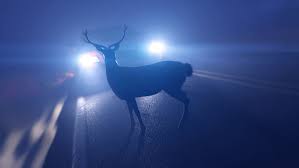
With falling leaves, colder temperatures, and increasing rainfall creating slippery road conditions, state troopers emphasize that autumn also brings a sharp seasonal surge in vehicle-animal collisions. According to the Insurance Institute for Highway Safety, car-versus-animal insurance claims—predominantly involving deer—typically peak in November before declining through December and January. Nationally, the National Highway Traffic Safety Administration notes that approximately 1.5 million deer-vehicle collisions occur each year, with Indiana consistently ranking in the middle tier of all 50 states.
To help drivers navigate roadways safely over the coming months, ISP-Sellersburg has released key safety reminders regarding seasonal weather and wildlife:
Weather and Roadway Hazards
- Wet Leaves: Wet leaves can be just as slick as ice. Drivers should slow down on leaf-covered roads, avoid hard braking, and pay extra attention to roadway edges and lane markings, which leaves can easily obscure.
- Rain and Fog: Slick roads increase the risk of hydroplaning. Motorists should increase their following distance and avoid using cruise control. In foggy conditions, drivers should use low beams or fog lights rather than high beams.
- Bridges and Overpasses: Roadways not in direct contact with the ground can freeze rapidly. Morning frost can create hidden icy patches, and shaded areas may remain slick even after surrounding pavement dries.
Navigating Wildlife Risks
- Buckle Up: Sudden stops or hard braking to avoid obstacles are primary causes of injury; wearing a seatbelt remains the best protection in a collision.
- Watch for Signs: Deer crossing signs are placed intentionally. Drivers should exercise caution, remembering that deer travel in groups—if one is spotted, others are likely nearby. Passengers can help scan the roadside.
- Know Peak Times: Deer are most active during dawn and dusk while searching for food. Because this period coincides with their migration and mating season, animal movement is significantly elevated.
- Don’t Swerve: If a collision is unavoidable, troopers strongly advise not swerving. Swerving can send a vehicle into oncoming traffic or cause a rollover. Instead, brake firmly and stay in your lane, as studies show more severe crashes result from swerving to avoid animals.
- What to Do After a Strike: If a collision occurs, drivers should move their vehicle off the roadway if possible and call 911 or local law enforcement. Comprehensive insurance coverage typically applies to animal strikes, so motorists should contact their insurance agent and photograph the vehicle and animal if safe to do so.