

WASHINGTON, D.C. – Last night, the Senate passed Senator Jim Banks’ (R-Ind.) bipartisan Respond, Innovate, Succeed, and Empower (RISE) Act, legislation that would cut red tape for students with documented disabilities seeking to receive accommodations in college. Banks introduced the RISE Act with Senators Maggie Hassan (D-N.H.) and Bill Cassidy, M.D. (R-LA).
The Senate Health, Education, Labor, and Pensions Committee advanced the RISE Act unanimously on July 30. Representatives Suzanne Bonamici (D-Ore.) and Erin Houchin (R-Ind.) are leading the companion legislation in the House.
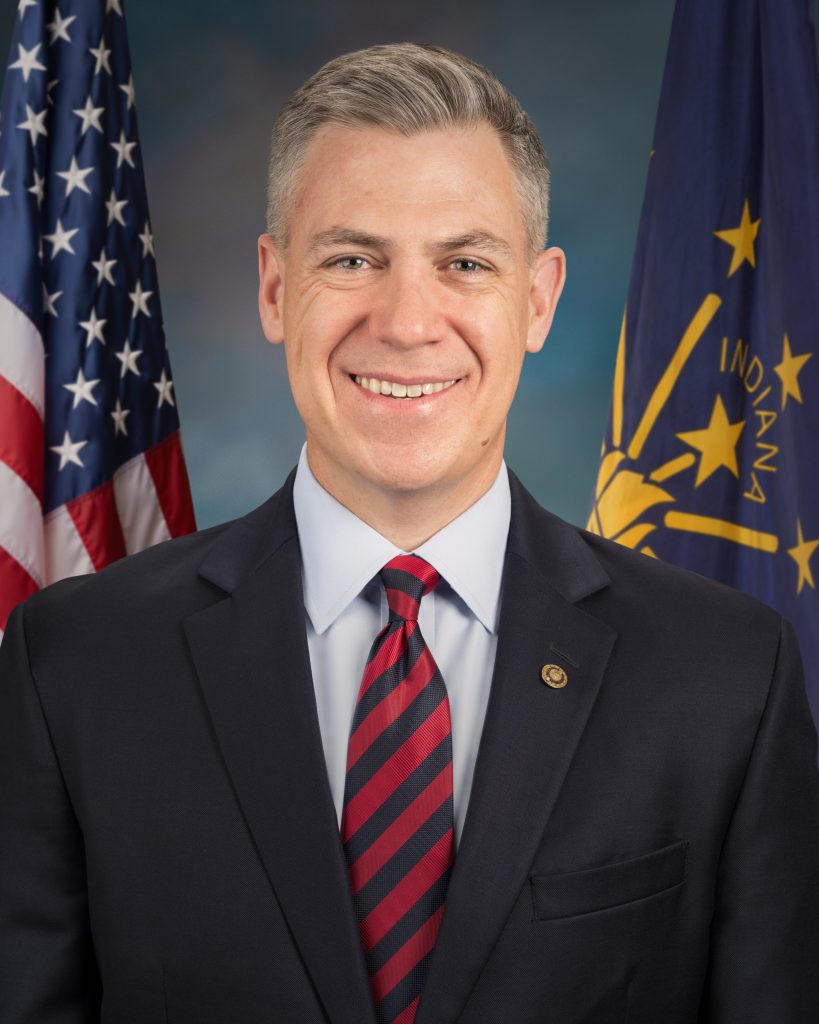
Senator Jim Banks (R-Ind.) said, “Students with disabilities shouldn’t have to pay for costly and duplicative testing to prove a disability that they’ve already documented. My bipartisan RISE Act slashes red tape, removes unnecessary barriers, and ensures students receive the support they need to succeed.”
Approximately 15 percent of public-school students receive services under the Individuals with Disabilities Education Act. However, students entering college are often required to undergo and pay for new diagnostic testing before receiving accommodations—even when their disability has already been documented.
Key Provisions of the RISE Act:
- Closes a loophole that often requires students with documented disabilities to undergo new, costly diagnostic testing to qualify for accommodations.
- Makes school policies regarding disability services more transparent for students and families so they can make an informed decision on the college that best fits their needs.
- Requires universities to collect and report key data related to undergraduate students who are registered as students with disabilities to the Integrated Postsecondary Education Data System (IPEDS).
- Provides additional support and authorizes funds for technical assistance to help colleges and universities serve those with disabilities better.
The legislation is endorsed by the National Center for Learning disabilities, Association of Public and Land-grant Universities, American Council on Education, Association on Higher Education and Disability, American Psychological Association, Autism Society of America, National Disability Rights Network, National Down Syndrome Society, Autism Speaks, The Arc of the United States, and numerous other education and disability advocacy organizations.