

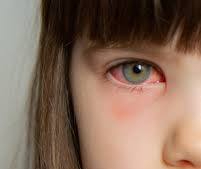
INDIANA – Pink eye (conjunctivitis) remains a highly contagious condition, with both viral and bacterial forms spreading rapidly from person to person. Because there is no single vaccine capable of preventing all types of pink eye, health officials emphasize that practicing strict, everyday hygiene is the most effective way to control the illness and protect surrounding communities.
The Centers for Disease Control and Prevention (CDC) has outlined essential guidelines for individuals currently managing an infection, as well as those living or working around someone who is sick.
Guidelines for Individuals with Pink Eye
If you are currently diagnosed with pink eye, you can dramatically limit its spread to family members and coworkers by taking the following actions:
1. Practice Frequent Hand Hygiene
- Wash Hands Regularly: Wash your hands with soap and water for at least 20 seconds, especially before and after cleaning your infected eye, or applying prescribed eye drops and ointments.
- Use Sanitizer When Needed: If soap and water are unavailable, utilize an alcohol-based hand sanitizer containing at least 60% alcohol.
2. Keep the Eye Area Clean and Sterile
- Avoid Rubbing: Do not touch or rub your eyes with your fingers.
- Clean Discharge Safely: Use clean hands to wash away discharge from around the eyes several times a day. Wipe the area using a clean, wet washcloth or a fresh cotton ball. Discard cotton balls immediately after a single use.
- Launder Linens Properly: Wash any used washcloths in hot water with detergent, and thoroughly wash your hands afterward.
- Prevent Cross-Contamination: Never use the same eye drop bottle for both an infected and a non-infected eye. Additionally, regularly clean eyeglasses while ensuring you do not contaminate shared household items like hand towels.
3. Suspend Contact Lens Use
- Switch to Glasses: Immediately stop wearing contact lenses until your symptoms have completely resolved or an eye care professional clears you to resume wear.
- Purge Contaminated Supplies: Throw away disposable items used while your eyes were infected, including the disposable lenses themselves and their storage cases.
- Sanitize Reusable Items: Clean extended-wear lenses, eyeglasses, and hard cases strictly according to your doctor’s instructions.
4. Isolate Personal Items and Activities
- Frequent Laundering: Wash your pillowcases, sheets, towels, and washcloths frequently in hot water and detergent, remembering to wash your hands after handling the dirty laundry.
- No Sharing: Do not share pillows, towels, washcloths, eye drops, facial makeup, makeup brushes, contact lenses, or eyeglasses.
- Avoid Pools: Stay out of swimming pools entirely while experiencing symptoms.
Guidelines for Those Around an Infected Person
If you are caring for or living with someone who has pink eye, you can protect yourself from contracting the infection by following these protocols:
- Wash Hands Promptly: Wash your hands with soap and water for 20 seconds (or use a 60% alcohol-based sanitizer) immediately after any contact with an infected person or the items they handle. This includes washing up after assisting them with eye drops or moving their bed linens to the washing machine.
- Keep Hands Away From the Face: Avoid touching your eyes with unwashed hands under any circumstances.
- Enforce Strict Separation of Goods: Do not share bed pillows, pillowcases, washcloths, or towels. Strictly avoid sharing personal care items such as makeup, brushes, eye drops, contact lenses, cases, or eyewear.
The Role of Related Vaccines
While a universal pink eye vaccine does not exist, several standard immunizations protect against underlying viral and bacterial diseases that can cause pink eye as a secondary symptom. Staying up-to-date on the following vaccines can indirectly lower the risk of associated conjunctivitis infections:
- Rubella and Measles
- Chickenpox and Shingles
- Pneumococcal disease
- Haemophilus influenzae type b (Hib)

