

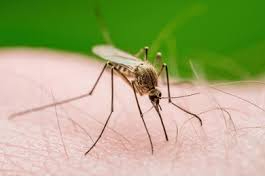
BEDFORD — As warm, humid weather settles across Southern Indiana, local health officials and entomologists are reminding residents that mosquito season is in full swing. For those who feel like they are constantly being targeted by these “little vampires,” recent data from biology experts suggests there is a science behind why some people attract more bites than others.
Why You Might Be a ‘Mosquito Magnet’
Mosquitoes do not bite at random; they rely on sensory cues to find their next meal. Research suggests that if you are a “super attractor,” it is likely due to a combination of biological factors that make you more noticeable to them:
- Carbon Dioxide and Heat: Mosquitoes detect the carbon dioxide you exhale and gravitate toward higher body temperatures. Increased physical activity, which raises your heart rate and body heat, makes you a more prominent target.
- Body Chemistry: Components in your sweat, such as ammonia, uric acid, and specifically carboxylic acids, play a significant role. These chemical levels vary by individual, and those with higher concentrations in their body odor are often more enticing.
- Skin Microbiome: Your unique mix of bacteria, fungi, and oils creates a distinct “scent profile” that can draw insects in.
- Lifestyle Factors: Recent studies suggest that consuming alcohol—particularly beer—can increase your attractiveness to mosquitoes, likely due to changes in heart rate, blood flow, and body odor.
Proven Prevention Strategies
While you cannot change your genetics, experts from the Centers for Disease Control and Prevention (CDC) and academic researchers emphasize that you can significantly reduce your risk by following these evidence-based practices:

- Use EPA-Registered Repellents: Products containing DEET, Picaridin, IR3535, or oil of lemon eucalyptus are the most effective way to prevent bites. Always follow label instructions and apply sunscreen before repellent.
- Optimize Your Clothing: Wear light-colored, long-sleeved shirts and pants. Mosquitoes are attracted to darker colors like blue, while they tend to avoid lighter shades and green. For added protection, treat your clothing and gear with 0.5% permethrin—an insecticide that remains effective through multiple washes.
- Modify Your Environment: “Fight the bite” by removing standing water in your yard, where mosquitoes breed. Empty birdbaths, gutters, flowerpot saucers, and tires weekly.
- Utilize Airflow: If you are relaxing on a porch or deck, set up a fan. Mosquitoes are poor flyers and struggle to navigate intense airflow.
Dealing with Bites
If you do get bitten, the most important rule is not to scratch. Scratching breaks the skin barrier, increasing the risk of infection and worsening inflammation.
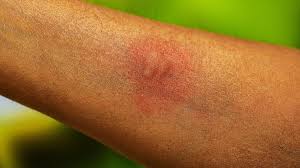
- Ease the Itch: Use an ice pack for short intervals to reduce swelling. Over-the-counter hydrocortisone creams, calamine lotion, or antihistamine creams can also provide relief.
- Monitor for Illness: While most bites are merely annoying, Indiana residents should be aware of regional concerns like West Nile virus. Seek medical care if you develop a fever, severe headache, confusion, or body aches, as these can be signs of a mosquito-borne illness. Trio Pest Control
If you notice a spike in mosquito activity or see dead birds in your area, contact your local health department. Reporting these can help officials monitor for the circulation of West Nile virus or other local threats.

