


INDIANAPOLIS — The Indiana Family and Social Services Administration (FSSA) has instituted a temporary, six-month moratorium on the enrollment of new autism therapy provider agencies, effective Saturday, June 6, 2026.
The sweeping decision, which was formally approved by the federal Centers for Medicare & Medicaid Services (CMS), pauses registrations for brand-new Applied Behavior Analysis (ABA) agencies as well as ownership changes for existing providers. Individual rendering practitioners, however, can continue to enroll to avoid workforce disruptions, and any applications submitted before June 6 will be processed normally.
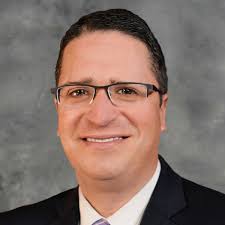
FSSA Deputy Secretary Eric Miller cited massive fiscal expansion as the driving force behind the freeze.
“Indiana has seen an incredible surge in ABA therapy over the past several years, a trend that raises concerns about sustainability and program integrity,” Miller stated. “By pausing new agency enrollments, we are taking action to strengthen oversight, prevent waste, and support a system that delivers quality outcomes for those who need it most.”
Astronomical Costs Prompt Federal Safeguards
ABA therapy is an intensive behavioral treatment utilized heavily to improve learning, communication, and social skills in children and young adults diagnosed with autism spectrum disorder.
Since Indiana first authorized Medicaid coverage for ABA therapy in 2016, the program’s budget has ballooned significantly. Data from the state reveals the massive scale of the current program:
- Enrollee Numbers: As of January 2026, more than 6,000 Hoosiers were actively accessing ABA treatments covered by Medicaid.
- Monthly Financial Toll: For that single month alone, ABA therapy cost the state approximately $35 million.
- Budget Share: Over eight years, state spending on the therapy has grown twentyfold, skyrocketing from just 0.2% of Indiana’s total Medicaid expenditure to 2.3%.
The rapid influx of cash and private equity-backed clinics across the state raised red flags regarding potential exploitation. In March, a national spotlight by the Wall Street Journal highlighted an Indiana-based ABA provider as an extreme example of out-of-control billing practices, prompting FSSA Secretary Mitch Roob to demand that providers self-report any billing patterns that could constitute fraud, waste, or abuse.
The state’s initial freeze is scheduled to last through early December 2026, though the FSSA retains the authority to request ongoing extensions in six-month increments if necessary.
A state working group previously recommended a pause as a tactical mechanism to curb an oversaturation of clinics in wealthy metropolitan areas, while simultaneously prompting providers to look toward rural and lower-income regions. To ensure families do not lose access to critical medical care, the FSSA has left the door open for accredited provider agencies in designated underserved locations to apply for strict regulatory exceptions to the freeze.
Moving forward, the agency will launch heightened auditing procedures to review existing clinical practices, ensuring that taxpayer funding directly supports meaningful, highly accountable clinical care.

