

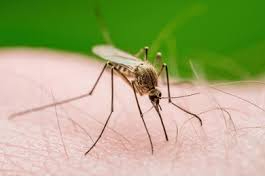
INDIANA — With temperatures rising across the Hoosier state, health officials are reminding residents that mosquito season is officially underway. While these insects are often viewed as a mere summer nuisance, they carry significant health risks, including West Nile Virus and Eastern Equine Encephalitis (EEE).
Local authorities and regional organizations are emphasizing that proactive community effort is the most effective way to keep populations under control.
Understanding the Threat
Mosquitoes in Indiana typically become active when overnight temperatures consistently stay above 50°F. Peak activity generally occurs from late spring through the first frost of autumn. Because mosquitoes breed in standing water, the heavy spring rains common in the Indiana Uplands region can create ideal conditions for rapid population growth.

How to Protect Yourself
Health departments recommend a “layered” approach to personal protection:
- Use EPA-Registered Repellents: Look for products containing DEET, picaridin, IR3535, or oil of lemon eucalyptus.
- Dress Appropriately: When outdoors during dawn or dusk—peak biting times—wear long-sleeved shirts, long pants, and socks.
- Check Your Screens: Ensure that window and door screens are in good repair to keep mosquitoes out of your home.
Property Management and Community Efforts
Controlling mosquitoes starts in your own backyard. Residents are encouraged to “Tip and Toss”—tipping over containers holding water and tossing out debris that could collect rainfall.
Vacant properties with overgrown vegetation and stagnant water sources are prime breeding grounds for mosquitoes. By returning these properties to productive use or maintaining them through local contracts for “yard maintenance and cleanup,” these organizations inadvertently help reduce local mosquito habitats.
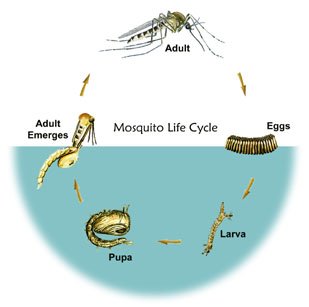
Quick Checklist to Mosquito-Proof Your Home:
- Clean out gutters to prevent water backup.
- Change water in birdbaths at least once a week.
- Keep grass mowed and shrubs trimmed to reduce adult mosquito resting places.
- Aerate ornamental pools or use “mosquito dunks” containing Bti.
A single female mosquito can lay up to 300 eggs at a time, making early-season prevention vital for a comfortable summer.
For more information on mosquito-borne diseases in Indiana, residents should contact their local county health department.

