


WASHINGTON, D.C. — A growing financial crisis is gripping the American heartland. According to a new nationwide survey released by the American Farm Bureau Federation (AFBF), an overwhelming 70 percent of U.S. farmers report they cannot afford to purchase the fertilizer necessary for the 2026 growing season.

The data, collected from over 5,700 farmers across all 50 states and Puerto Rico between April 3 and April 11, paints a dire picture of the industry. As the conflict in the Middle East continues to upend global trade, agricultural leaders are warning that the current “supply shock” could lead to lower crop yields and higher grocery prices for consumers.
Regional Disparities and the “Pre-Booking” Gap
The crisis is hitting the American South the hardest, where nearly 8 in 10 farmers say they cannot afford needed supplies. The disparity is largely driven by “pre-booking”—the practice of securing fertilizer prices months in advance.
| Region | Unable to Afford Full Needs | Pre-booked Fertilizer |
| South | 79% | 19% |
| Northeast | 69% | 30% |
| West | 66% | 31% |
| Midwest | 48% | 67% |
Even in the Midwest, where pre-booking rates are highest, nearly one-third of farmers are entering the season with significant supply gaps.
The “Hormuz Factor”: Why Prices are Soaring
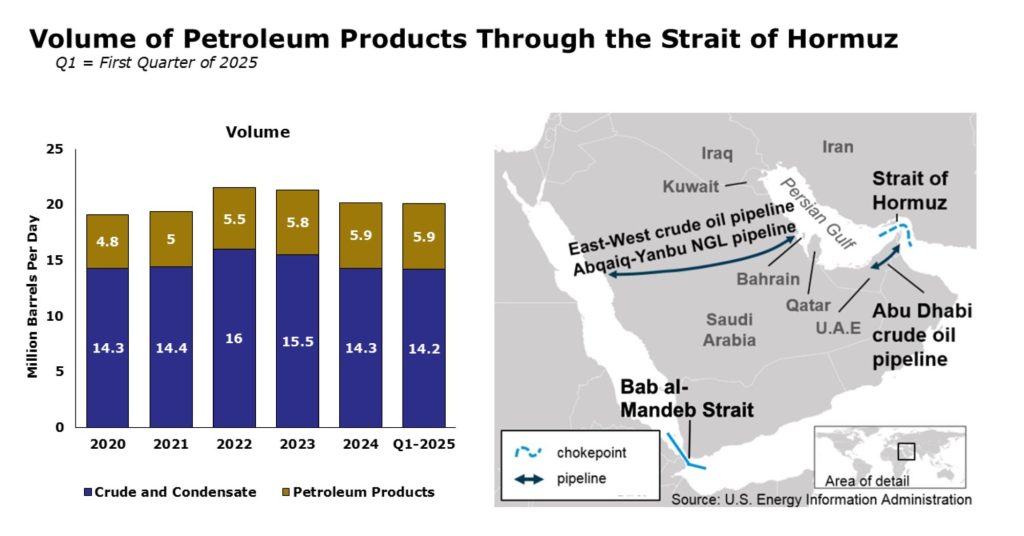
The primary driver of the spike is the effective closure of the Strait of Hormuz. As a critical artery for global energy and chemical exports, the disruption has paralyzed the movement of liquid natural gas (LNG)—the primary feedstock for nitrogen-based fertilizers.
- Nitrogen Spikes: Prices have surged more than 30% since the escalation of Middle East tensions.
- Urea Crisis: Urea prices have jumped 47% since late February, the largest one-month percentage increase on record.
- Supply Contraction: Experts estimate the global fertilizer supply chain has contracted by 33% due to the conflict.
In addition to geopolitical instability, U.S. farmers are battling internal financial pressures. Countervailing duties—special tariffs intended to offset foreign subsidies—on phosphate fertilizers from Morocco and Russia remain a point of contention.
In a rare show of unity, more than 50 state agricultural groups recently petitioned the International Trade Commission (ITC) to revoke these duties. On March 2, 2026, the ITC officially instituted a five-year review of these orders, offering a glimmer of hope for future cost reductions, though likely too late for the current planting window.

“The skyrocketing cost of fuel and fertilizer is creating more economic hardships for farmers who have already endured years of losses,” said AFBF President Zippy Duvall. “Without the necessary fertilizers, we’ll face lower yields, and some farmers will reduce acres altogether. This is a warning light that we’ve shared with leaders in Washington.”
The long-term effects of this shortage are already being projected by economists. J.P. Morgan research suggests the fertilizer supply shock could lift global food inflation by 4–5% by late 2026.
For now, many American farmers are opting for a high-stakes gamble: skipping spring applications in the hope that prices will stabilize later in the season. However, experts warn that “starving” crops of nutrients now could lead to irreversible declines in yield by harvest time.

