


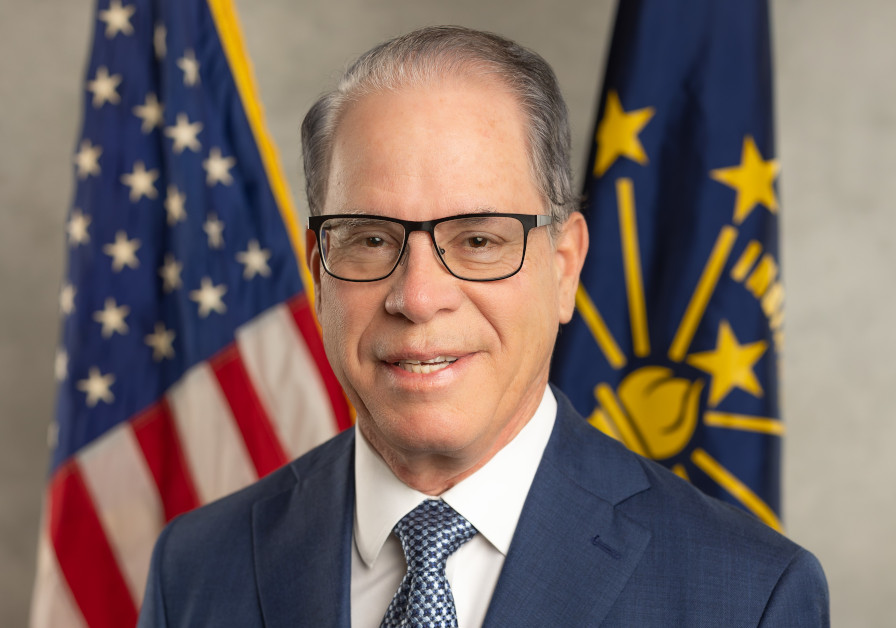
INDIANA — Governor Mike Braun has signed legislation that will significantly alter how Indiana’s long-term care residents receive Medicaid benefits, moving a specific population away from managed care.
Starting July 1, 2027, nursing home residents who have stayed for 100 days or longer will be transferred from Medicaid managed care to a traditional “fee-for-service” model. The bill also directs the state to seek an assisted living Medicaid waiver.
The new law modifies the scope of Indiana’s “PathWays for Aging” program. Launched in 2024, the initiative originally aimed to bring all Medicaid-eligible seniors under managed care contracts spearheaded by major insurers like UnitedHealthcare, Humana, and Elevance Health.
However, the program has faced intense criticism from industry leaders. The Indiana Health Care Association (IHCA) stated that PathWays has been “plagued with issues since day one,” estimating that $100 million is currently owed to facilities due to late or “inappropriately denied” payments from the contracted insurers.

Research: Managed Care vs. Fee-for-Service (Medicaid)
To provide context fregarding Governor Braun’s recent bill, here is a breakdown of the two models:
- Managed Care (Current “PathWays” Model): The state pays a set fee per member to private insurance companies (like Humana or Anthem). These companies are responsible for managing the patient’s care and paying the doctors or nursing homes.
- The Issue: As noted by the Indiana Health Care Association, facilities often face “inappropriate denials” or delays in payment from these middleman insurers, which can lead to financial strain on nursing homes.
- Fee-for-Service (The 2027 Transition Model): The state pays healthcare providers (nursing homes) directly for each service or day of care provided. There is no private insurance middleman.
- The Benefit: This is often preferred by long-term care facilities because it provides more predictable, direct reimbursement from the government, avoiding the administrative hurdles of private insurance authorizations.
Despite these specific reforms for long-term residents, the state’s commitment to managed care remains large in scale. In late January, Indiana’s Family and Social Services Administration (FSSA) announced it would seek bids for $68 billion in total managed Medicaid contracts, a package that includes the ongoing administration of PathWays for Aging for other eligible populations.
The transition period over the next three years is intended to stabilize the financial environment for nursing facilities while the state continues to refine its broader managed care strategy.

