

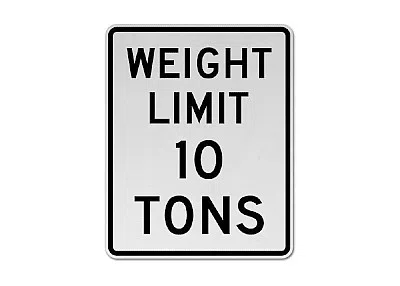
INDIANA — A shifting landscape of road weight restrictions is currently in effect across Southern Indiana as local highway departments move to protect infrastructure from the volatile “freeze/thaw” cycle typical of late winter.
As of Wednesday, February 18, 2026, the status of 10-ton load limits across Daviess, Knox, and Martin counties has been updated several times, impacting commercial drivers and local delivery services.
The Daviess County Commissioners officially lifted the 10-ton load limit on all county roads during their Wednesday morning meeting. The restriction had been in place since February 11 to mitigate damage caused by heavy vehicles on soft, waterlogged roads.
While the roads are currently open to normal weight traffic, highway officials noted that they will continue to monitor the forecast and could reinstate the limits if temperatures spike again.
Knox County Enacts New Limits
In contrast, the Knox County Commissioners voted Tuesday to enact a new 10-ton weight limit across their jurisdiction. The move comes as a preventative measure to maintain road integrity as the ground thaws.
County officials plan to reevaluate the need for these limits at their next meeting on Tuesday, February 24. Until then, vehicles weighing more than 20,000 pounds are restricted from using county-maintained routes.
Martin County Limits Remain
In Martin County, the 10-ton load limit imposed on February 12 remains in effect. According to recent county ordinances, these “Frost Laws” are critical to preventing the deep sub-surface cracking and pothole formation that occurs when heavy weight is applied to unstable, thawing ground.
Understanding the “Freeze/Thaw” Risk
The implementation of 10-ton limits is a standard procedure for Indiana counties during the transition from winter to spring.
When the ground freezes, it becomes rigid and can support significant weight. However, as it thaws, the trapped moisture creates a “sponge-like” layer beneath the pavement. Without the frozen support, heavy trucks can easily “blow out” the road surface, causing damage that costs taxpayers hundreds of thousands of dollars per mile to repair.