

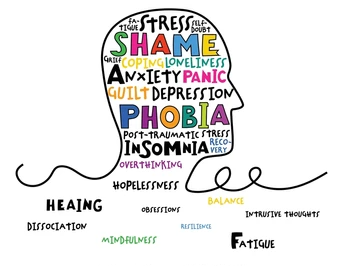
INDIANA – No matter who you are or how old you are, you will likely experience a crisis or something traumatic at some point.
A crisis occurs when an event or situation overwhelms a person’s ability to cope. Trauma is any disturbing experience that causes significant fear, helplessness, confusion, or other disruptive feelings enough to have a long-lasting negative effect on a person’s attitude, behavior, and daily functioning. What is traumatic for one person, however, may not be traumatic for another. These events can be caused by people or nature and can often cause the person to no longer see the world as a safe, just, and predictable place.
The good news is, there are things we can do to help our kids (and ourselves) be less affected by these situations. Research has shown that the quicker a person can cope and begin to process a traumatic event, the less likely they are to develop post-traumatic stress disorder (PTSD). The more coping skills someone has, the less likely they are to feel overwhelmed and go into crisis.
When exploring coping skills, I really like using the BASIC-Ph model to assess a person’s strengths and areas of interest for growth. BASIC-Ph stands for:
- Beliefs – religion, spirituality, and core values
- Affect – feelings, emotions, and the ability to express them
- Social – friendships, relationships, and social groups
- Imagination – creativity and expression through art, music, and language
- Cognition – problem-solving, dialogue, and the ability to learn new things
- Physical – body, exercise, activity, movement
To identify strengths, think of things that you do to help you feel safe and calm or help you feel less stressed and overwhelmed. Now consider what categories those may fall under within the BASIC-Ph Model. Lean into those strengths and consider additional coping strategies in those areas. Some areas may overlap.
For example, maybe religion is a source of comfort and going to church is a coping strategy for you, but your church isn’t open when you’re feeling overwhelmed. Consider reaching out to a spiritual leader or elder, reading a religious text, listening to a religious podcast or music.
Maybe you normally lean on your friends when you have problems but you’re uncomfortable talking with them about a particular situation you’re going through. You might consider counseling, a support group, or a club for people with similar interests.
Also consider things you used to do or enjoy but no longer do. Maybe you used to be an avid reader, but life got too busy, or maybe you used to paint, but your toddler made it impossible (without a huge mess), and you never went back to it when they got older. These are areas you might consider returning to and strengthening.
Set aside time before bed to read or some time over the weekend to paint. Maybe you’ve never tried dancing but always wanted to. Look into signing up for dance classes or finding YouTube tutorials. I would encourage you to consider 1-3 coping areas from the BASIC-Ph model you would like to strengthen, and then for each area, create 1-3 steps you can take to grow or strengthen that coping area.
Coping skills are crucial for regulating emotions, managing stress, preventing burnout, and overall good mental health. Build your toolkit of coping strategies, not only to help manage traumatic situations, but also to be more productive and successful in life.
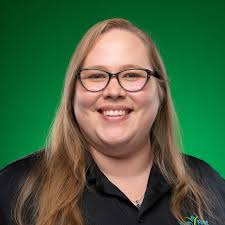
Jackie Keltner, MSW, LMHCA, is a Youth First Mental Health Professional at Paul Hadley Middle School in Morgan County. Youth First, Inc., is a nonprofit dedicated to strengthening youth and families. Youth First provides over 100 highly trained mental health professionals (primarily master’s level social workers), prevention programs, parent engagement coordinators, and bilingual support personnel to 130 schools across 14 Indiana counties. Over 55,000 youth and families each year are served by Youth First’s school-based social work and community programs that promote mental health, prevent substance misuse, and maximize student success. To learn more about Youth First, visit youthfirstinc.org or call 812-421-8336.

