

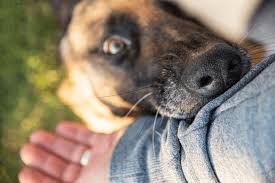
INDIANA — New verified insurance and municipal data have placed Indiana in a sobering national spotlight. The state currently ranks among the top 10 states in the U.S. for dog bite insurance claims, a trend fueled by high pet ownership rates and a sharp increase in pediatric injuries that strike children at the face level.
In Lawrence County, reporting a dog bite is not just a safety precaution—it is a legal requirement under Indiana state law.
If you or a family member is involved in an incident, here are the specific steps and contacts for our local area.
1. Immediate Medical and Legal Reporting
In Indiana, any animal bite that breaks the skin must be reported within 24 hours.
- If you seek medical care: By law (IC 35-47-7-4), your physician or the hospital administrator is required to report the bite to the health department within 72 hours of treatment.
- If you do not seek medical care: You are still legally obligated to report the incident yourself.
- Emergency Situations: If an active attack is occurring or the animal is a stray posing an immediate threat, call 911 immediately.
2. Local Contacts for Lawrence County
For residents in Bedford and the surrounding county, you should contact the following agencies to file a report:
- Lawrence County Health Department (Environmental Health):
- Phone: 812-275-3234
- Role: Investigates bite reports, tracks rabies vaccinations, and oversees the legal quarantine process.
- Bedford Animal Control / Law Enforcement:
- Non-Emergency Dispatch: 812-275-3311 (for incidents within Bedford city limits).
- Lawrence County Sheriff’s Office: 812-275-3316 (for incidents in rural county areas).
3. The Quarantine Process
Once a report is filed, Indiana law (410 IAC 1-2.5-80) mandates a 10-day observation period for the biting dog, cat, or ferret.
- Purpose: To monitor the animal for clinical signs of rabies.
- Location: Depending on the dog’s vaccination history and the circumstances of the bite, the Lawrence County Health Department may allow the animal to be quarantined at the owner’s home or may require it to be held at a local shelter or veterinary clinic at the owner’s expense.
- Vaccination: The animal cannot be vaccinated against rabies during this 10-day window, as it could mask symptoms of the virus.
Summary Checklist for Victims
- Wash the wound immediately with soap and warm water for at least 10 minutes.
- Identify the owner and get their name, address, and the dog’s vaccination history.
- Take photos of the injury and the location where the incident happened.
- File the report via the Indiana Department of Health Online Portal or by calling the Lawrence County Health Department directly.
According to a comprehensive data analysis from Omega Law Group, Indiana saw 110 insurance claims in 2022 alone, totaling $7.4 million in payouts. By 2024, the national average cost per claim surged to $69,272, reflecting the severe medical and reconstructive costs associated with these attacks.
The “Eye-Level” Danger for Children
While dog bites are a risk for all ages, the data reveals a stark “pediatric gap” in how these injuries occur.

Because young children often share space at a dog’s eye line, the nature of their injuries is significantly more severe than those seen in adults.
- 73% of child bites treated in emergency rooms strike the face, head, or neck.
- In contrast, only 30% of adult bites involve those areas, with adults more likely to suffer injuries to their extremities.
“Injuries are face-level because kids are face-level,” the report notes. This physical proximity, combined with high-risk age bands—specifically boys aged 5 to 9—creates a “priority danger zone” for Indiana families.
Historically, Lawrence County reports between 75 and 125 animal bite incidents annually that require Health Department intervention. Local law enforcement and health data suggest that the majority of bites in our area occur in the following settings:
Delivery Hazards: Much like the national trend, local postal carriers and delivery drivers account for a notable percentage of “work-related” bite reports in the county.
Residential Properties: Roughly 80% of reported bites involve a dog known to the victim (a family pet or a neighbor’s dog).
Unrestrained Animals: A significant portion of investigations in Bedford city limits involves dogs that have escaped their yards or are being walked off-leash.
Lawrence County’s bite rate often mirrors its neighbors in Southern Indiana, where higher-than-average dog ownership rates (roughly 49%) contribute to frequent interactions. Local municipal tracking systems show a steady upward climb in reported incidents across the state’s largest cities.
| City | 2023 Reported Incidents | Trend Analysis |
| Fort Wayne | 3,150 | Largest municipal investigation volume in the state. |
| Indianapolis | 1,135 | Increasing by at least 100 incidents annually since 2020. |
| South Bend | 143 (2024 Postal) | High concentration of attacks on mail carriers. |
The rise in bites is also linked to the “pet-friendly” housing boom. With 58% of renters now owning pets and pet-friendly units leasing eight days faster than those that aren’t, close encounters in hallways, elevators, and shared courtyards have become a daily reality for Hoosier families.
State health data identifies a seasonal pattern: dog bites peak during the spring and summer months. Studies indicate a 4% increase on hotter days and an 11% increase during periods of high UV, suggesting that heat-stressed animals may be more prone to reactive behavior.
As Indiana enters the warmer months, the combination of school breaks and backyard play brings familiar dogs and children together more frequently, heightening the risk of “unavoidable” household mishaps.
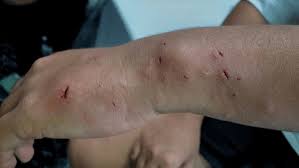
Indiana operates under what legal experts call a “modified one-bite rule.” While some believe a dog is “allowed” one free bite before an owner is liable, Indiana law is more stringent. Owners can be held liable even for a first-time bite if they were negligent in restraining the animal or if the victim was a postal carrier or public official.
“From a legal perspective, the fact that 73% of child bites strike the face makes these injuries both highly foreseeable and uniquely serious,” stated a representative from Omega Law Group. “Failing to supervise or restrain a dog in a dense rental building or a public park can support claims for negligence and premises liability.”
Insurers paid out $1.57 billion nationwide in 2024 to cover medical bills, plastic surgery, and long-term emotional trauma—a cost that continues to rise alongside the severity of the incidents.

