


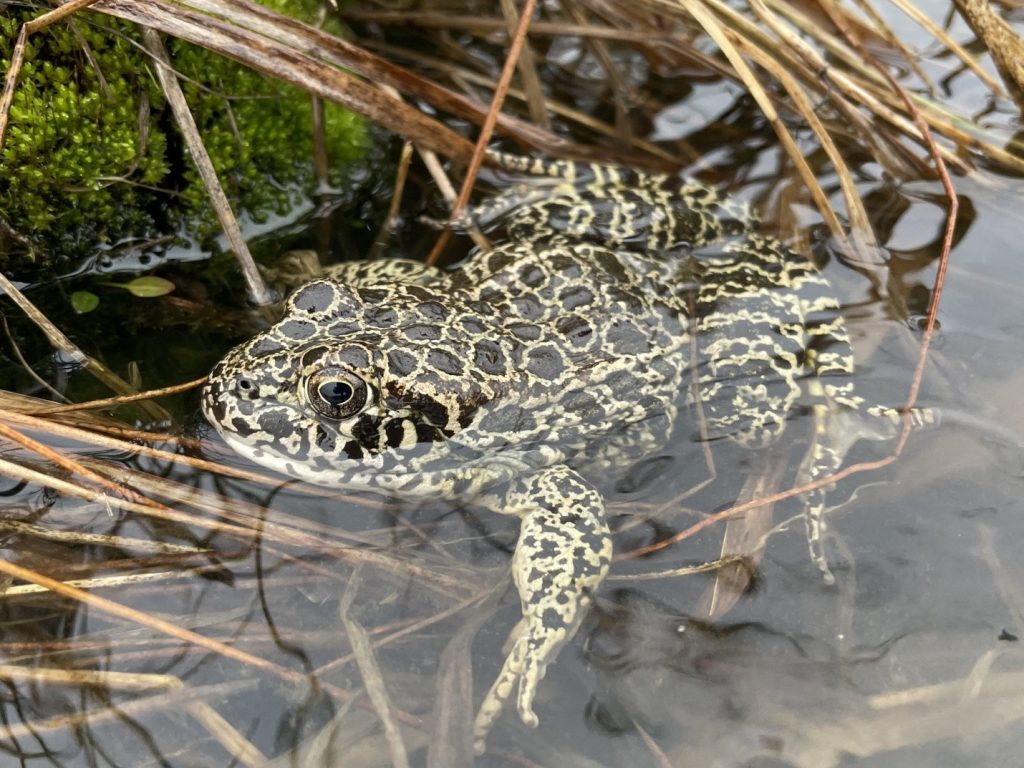
INDIANA — Behind the serene landscapes of Indiana’s wetlands and forests, a high-stakes mission is underway to protect the state’s most vulnerable residents. From the tiny Crawfish Frog to the prehistoric Hellbender salamander, Indiana’s strategy for managing rare wildlife relies on a delicate balance of federal support and local generosity.
Conservation in the Hoosier state isn’t just a local effort; it’s a partnership between the state and the federal government.
The Federal State Wildlife Grant (SWG) Program
Authorized by Congress in 2000, this program acts as a “preventative medicine” for nature. It provides federal funding to states to manage species before they reach the critical threshold of being threatened or endangered.
- The Formula: Grants are awarded to Indiana based on its population and total land area.
- The Goal: Proactive habitat restoration and research to keep common species common.
The Indiana Nongame Wildlife Fund
Established in 1982 by the Indiana General Assembly, this is a dedicated fund for the 160+ species in Indiana that are not hunted or trapped.
- Community Driven: The fund receives zero state tax dollars. It is supported entirely by voluntary contributions from citizens, often through the state tax check-off or direct donations.
- The Power of the Match: Every $50 donated by a Hoosier allows the Indiana Department of Natural Resources (DNR) to unlock an additional $93 in federal matching funds, nearly tripling the impact of every local dollar.
Success Stories: From Extinction to Abundance
The impact of these funds is visible across the state. Decades of work funded by these programs have led to the successful reintroduction and stabilization of iconic species.
| Species | Former Status | Current Status |
| Bald Eagle | Extirpated (Gone from IN) | Delisted; Hundreds of active nests statewide |
| River Otter | Endangered | Abundant; Found in nearly all 92 counties |
| Crawfish Frog | Endangered | Population growing via massive 2025 release programs |
| Hellbender | Endangered | Success in captive-rearing and Blue River releases |
DNR biologists use these funds to conduct “Species of Greatest Conservation Need” (SGCN) research. This includes:
- Habitat Acquisition: Protecting critical karst topography and wetlands.
- Population Monitoring: Using tracking tags and genetic testing to ensure species like the snuffbox mussel and Franklin’s ground squirrel are thriving.
- Invasive Species Control: Protecting native habitats from encroachment.
How to Get Involved
The DNR encourages residents to take part in the conservation legacy. To learn more about specific management plans or to make a contribution that triggers federal matching funds, visit the official hub at Wildlife.IN.gov.

