

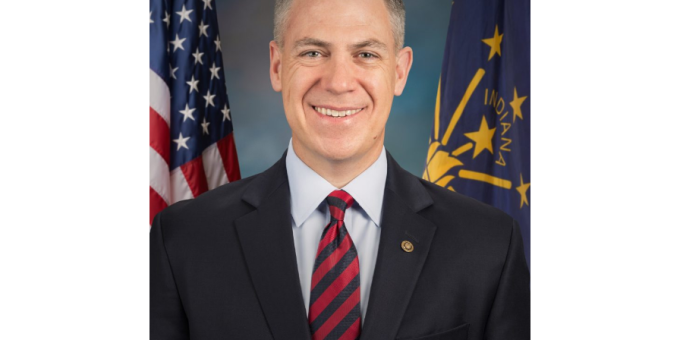
WASHINGTON, D.C, – Last week, Senator Jim Banks’ (R-Ind.) bill, the Save Our Safety-Net Hospitals Act of 2025, was passed in the Senate and enacted into law. This bill ensures that Indiana hospitals get their fair share of Medicaid Disproportionate Share Hospital (DSH) funding. Hospitals that treat very high percentages of Medicaid and low-income Medicare patients receive these federal payments to help cover their costs, but a 2021 recalculation shortchanged Indiana and several other states.
County hospitals, rural hospitals, and urban hospitals in low-income areas have been hit hardest, costing Indiana more than $140 million annually. This bill would restore the pre-2021 Medicaid DSH payment formula and distribute federal funding, which is already appropriated, more fairly.
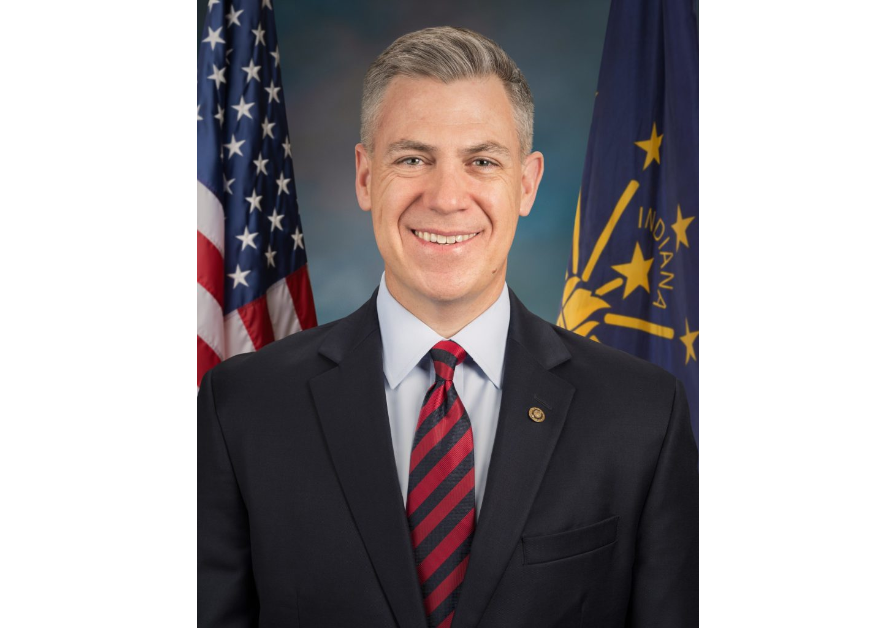
Senator Jim Banks (R-Ind.) stated, “A recalculation in a federal funding formula shortchanged Indiana hospitals that serve rural and low-income urban areas. This bill corrects that and delivers the support they were intended to receive.”
Matthew Doyle, President and CEO, Methodist Hospitals said, “Methodist is a true safety net hospital and 80% of our patients are covered by Medicaid/Medicare. Our mission, that has remained a constant through our 102 years, is to provide high quality healthcare to all those in need. The residents of Gary and Northwest Indiana deserve the same high quality health care as other Americans, and I appreciate Sen. Banks’ advocacy to ensure they can continue to receive it. The Disproportionate Share language included in the recent appropriations package is a critical step to preserve that access.”
Dr. Eric Fish, President/CEO of Schneck Medical Center, said, “DSH payments have been crucial to funding the gap in uncompensated care, but Section 203 of the Consolidated Appropriations Act of 2021 drastically changed how such uncompensated care is calculated – even though the care continues to be provided. Thank you to Senator Banks for continuing to advocate for legislation to address this important issue to help rural hospitals like Schneck, and other hospitals across Indiana, continue to care for all Hoosiers.”
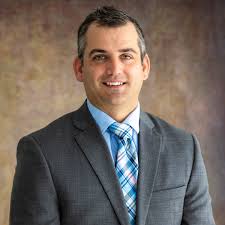
Ben Wells, President/CEO of Reid Health stated, “Reid Health has served East Central Indiana for more than 120 years and is committed to providing care and bettering the health of all individuals in our region. Nearly 75% of our patients are covered by Medicaid and/or Medicare, which does not fully cover the cost of care provided. For many years, DSH payments were an essential part of covering that loss and preserving essential services for our region, but Reid Health did not receive any DSH payments in 2023 and would not have qualified for them in 2024 or 2025 without this legislation. Reid Health appreciates Sen. Banks’ tireless work on this issue to ensure the East Central Region of Indiana continues to thrive for years to come.”

Dr. Lisa E. Harris, CEO of Eskenazi Health said, “Eskenazi Health thanks Senator Banks for co-sponsoring the bipartisan Save Our Safety-Net Hospitals Act of 2025, legislation that restores a portion of critical funding for Indiana’s safety-net hospitals. While significant funding challenges remain, this bill represents an important step and strengthens Eskenazi Health’s ability to continue providing high-quality, compassionate care to patients across our hospital and health system. We are grateful for his support.”
Key Provisions of the Save Our Safety-Net Hospitals Act of 2025 are:
- Restore the Medicaid DSH payment formula that existed before the FY 2021 appropriations act recalculated it.
- Allow states to compute DSH payments including low-income “dual eligible” Medicaid and Medicare patients.
- Boost payments to Indiana hospitals by roughly $140 million annually and benefit several other states.
- Allow states to spend unspent DSH payments from earlier years, without any new appropriations.
Full bill text can be found here.
Background:
Hospitals serving many low-income patients receive Medicaid Disproportionate Share Hospital (DSH) payments. These payments used to include both Medicaid and Medicare SSI patients, but the FY 2021 consolidated appropriations act removed Medicare SSI patients from the calculation and capped DSH payments.
While most states never fully covered hospital costs, states like Indiana—which counted “dual eligible” Medicaid and Medicare patients—were hit hard. Indiana hospitals now face roughly $140 million in annual unreimbursed costs. Methodist Hospitals, in Gary and Merrillville, have particularly been hard hit. Restoring the DSH payment formula can avert service reductions and even save safety-net hospitals like Methodist.

