

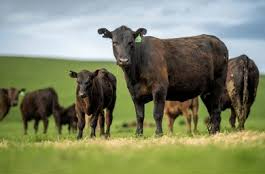
WASHINGTON, D.C. — The American cattle industry has reached a historic inflection point. According to a biannual report released by the U.S. Department of Agriculture (USDA) on Friday, the national cattle herd has dwindled to its smallest size since 1951, signaling that record-high beef prices are likely to persist for years.
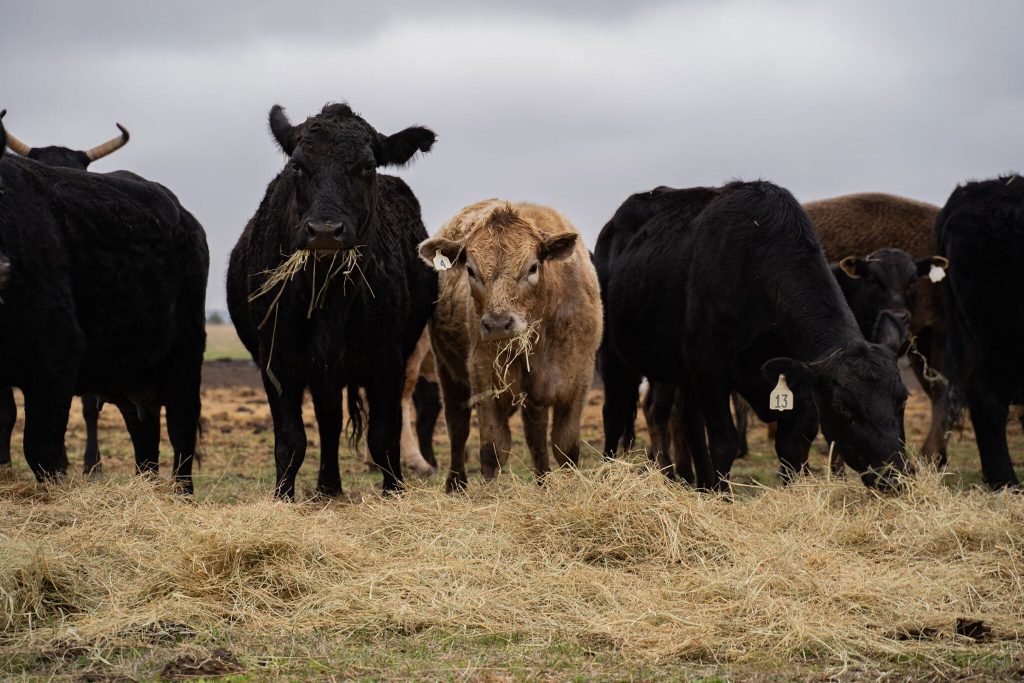
As of January 1, 2026, the U.S. inventory of cattle and calves stood at 86.2 million head, a 0.4% decline from the previous year. The specific herd of cows raised for beef has seen an even sharper drop, falling 1% to 27.6 million head—the lowest level recorded since 1961.
A “Perfect Storm” of Drought and Costs
The continuous decline, which began in 2019, is the result of a “perfect storm” of environmental and economic pressures.
- Persistent Drought: Years of dry weather across Western states and the Great Plains decimated pasturelands, forcing ranchers to sell off breeding stock they could no longer afford to feed.
- Incentivized Slaughter: Record-high market prices have ironically hindered recovery; many ranchers are choosing to sell young heifers for immediate profit rather than keeping them to rebuild their herds.
- Processing Strains: The lack of available cattle has forced major processors like Tyson Foods to shutter facilities, including a massive plant in Nebraska that recently employed 3,200 workers.

“There is no sign of serious rebuilding,” said Rich Nelson, chief strategist for Allendale. Nelson warned that because it takes roughly two years to raise cattle for slaughter, consumers should not expect price relief until at least 2028.
Political Pressure and Record Retail Prices
The supply crunch has sent retail prices soaring. According to the Bureau of Labor Statistics, ground beef reached a record $6.69 per pound in December, a 19% jump from the previous year.
These rising costs have become a significant political hurdle for the Trump administration. Despite a pledge made in October to make beef more affordable, food inflation contributed to dragging U.S. consumer confidence to its lowest level in over 11 years this January. In response, President Trump recently signed an Executive Order targeting “anti-competitive behavior” and price fixing within the meat processing industry.
New Biological Threat: The Screwworm Advance
Compounding the industry’s woes is a growing biological threat from the south. Texas has officially entered a state of disaster as the New World Screwworm—a parasitic fly that can devastate livestock—advances through Mexico.
The USDA is currently shifting defense strategies, releasing 100 million sterile flies per week along the Texas-Mexico border to create a “biological buffer zone.” While no cases have been detected in the U.S. yet, Mexico has reported over 800 active animal cases and several human hospitalizations, prompting Texas Governor Greg Abbott to authorize all state resources to prevent a domestic outbreak.

