

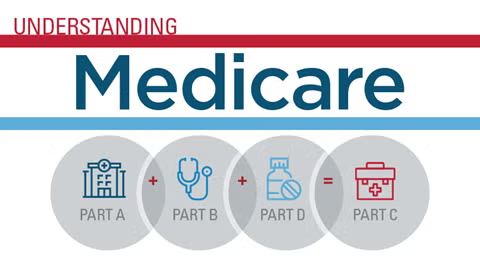
INDIANA – In January 2026, the Centers for Medicare and Medicaid Services (CMS) implemented new restrictions that roll back parts of a 2018 expansion allowing Medicare Advantage plans to cover a wider range of supplemental benefits.
The change means that several items and services Medicare Advantage plans previously could cover are no longer allowed, even if they were marketed as quality-of-life or wellness benefits.
For millions of retirees already navigating fixed incomes, rising healthcare costs, and the realities of aging in place, experts say the timing couldn’t be more critical.

“This is exactly the kind of change that catches people off guard,” says David Fesman, CEO of MedMart. “Many seniors assumed these benefits were permanent. In reality, coverage rules can shift faster than people expect.”
Why Medicare Advantage Rules Changed in 2026
In 2018, Medicare Advantage plans were granted expanded flexibility under the Bipartisan Budget Act to offer Special Supplemental Benefits for the Chronically Ill. These services are not directly medical, but intended to support overall health and daily functioning.
CMS now says the scope of those benefits went too far.
In its 2026 rule update, CMS stated that clarifying what does not qualify would provide “greater certainty” for insurers and enrollees. The result is a tighter definition of allowable coverage.
What Medicare Advantage Can No Longer Cover
Under the new CMS rules, Medicare Advantage plans are no longer allowed to cover:
- Alcohol
- Cannabis
- Cosmetic surgeries (including facelifts and cosmetic injections)
- Funeral costs
- Hospital indemnity insurance
- Life insurance
- Tobacco products
- Unhealthy foods
While some of these exclusions may seem obvious, others have been quietly included in certain plans as supplemental perks.
“The confusion comes from how differently plans marketed themselves over the past few years,” Fesman explains. “People heard ‘expanded benefits’ and assumed that meant broader long-term support.”
The rollback highlights a growing gap between what seniors need and what insurance actually covers.
Neither traditional Medicare nor Medicare Advantage pays for everything older adults rely on daily, especially when it comes to home safety, mobility support, and independence.
“We work with customers every day who assume Medicare will cover equipment or safety solutions,” Fesman says. “When they find out it doesn’t, they’re forced into last-minute decisions.”
Commonly uncovered needs include:
- Home mobility equipment
- Bathroom safety modifications
- Lift chairs and fall-prevention tools
- Long-term independence aids
“These aren’t luxuries,” Fesman adds. “They’re preventative tools that help people stay out of hospitals and remain independent longer.”
A Wake-Up Call for Retirement Planning
CMS’s decision reinforces an uncomfortable truth: coverage is not guaranteed, even when it has existed for years.
Experts say retirees and near-retirees should:
- Review Medicare Advantage plan details annually
- Avoid assuming supplemental benefits are permanent
- Budget separately for non-covered health and safety needs
- Plan ahead for aging-related expenses
“Insurance is only one part of the equation,” says Fesman. “Planning for aging safely means understanding where coverage ends, and personal responsibility begins.”
What Seniors and Families Should Do Next
Fesman recommends a proactive approach:
1. Re-check plan documents for 2026
Don’t rely on last year’s benefits summary.
2. Ask direct questions
If a benefit feels unclear, assume it’s not covered until confirmed.
3. Prioritize safety early
Waiting until after a fall or injury limits options and increases costs.
4. Build a healthcare buffer
Even modest savings dedicated to aging needs can prevent crisis spending later.
As the U.S. enters Peak 65, with more than 11,000 Americans reaching retirement age every day, policy shifts like this are becoming more consequential.
“These changes aren’t just paperwork,” Fesman says. “They affect how safely and confidently people can live their daily lives.”

