

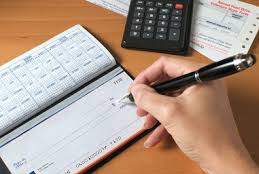
WASHINGTON, D.C. – The Federal Reserve announced Thursday it is considering the “winding down” of its check processing services for banks, a potential move that highlights the ongoing shift away from paper-based transactions in the U.S. financial system.
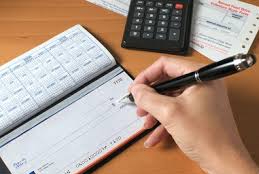
This deliberation comes shortly after the federal government stopped sending out most paper checks to recipients at the end of September as part of its effort to modernize benefits payments.
In its notice, the central bank cited several factors influencing its consideration:
- Steady Decline in Use: The use of checks has “steadily declined” over time. A June report from the Federal Reserve Bank of Atlanta found that, as of last year, over 90% of surveyed consumers prefer to pay bills by a method other than a check, a sharp drop from the 18% of bills paid by check in 2017.
- Rise of Digital Payments: Digital payment methods—such as direct deposit, automated bill pay, Venmo, PayPal, and Zelle—have become more widely available and used. Consumers rank checks as the second-worst option for convenience and speed, ahead of only money orders.
- Increased Fraud: Check fraud has risen, and consumers rank checks as the least secure form of payment other than cash.
- Infrastructure Costs: The Reserve Banks would need to make “substantial investments” in their infrastructure to maintain the current level of check services.
The Fed is weighing several options, including increasing investment (at a higher cost) or making no new investments, which would reduce the services’ future reliability.
While digital methods dominate, paper checks remain an important mechanism, making up about 5% of all transactions and representing 21% of the value of all payments, according to Michelle Bowman, the Fed’s Vice Chair for Supervision.
Discontinuing the service could disproportionately affect vulnerable consumers:
- The Unbanked: Approximately 6% of U.S. adults were “unbanked” in 2024 (lacking a checking, savings, or money market account). This percentage jumps to 22% for those with an income below $25,000, many of whom still rely on paper checks.
- Older Americans and Those Without Technology: Older consumers, or the estimated 10% of Americans without smartphones, may also be greatly disadvantaged by a further shift toward electronic systems.
Advocates, including the National Association of Convenience Stores, argue that checks still serve an important function for many low-income people and for some merchants seeking to avoid high credit card transaction fees. They suggest winding down the system now would cause “untold and difficult-to-foresee problems.”