

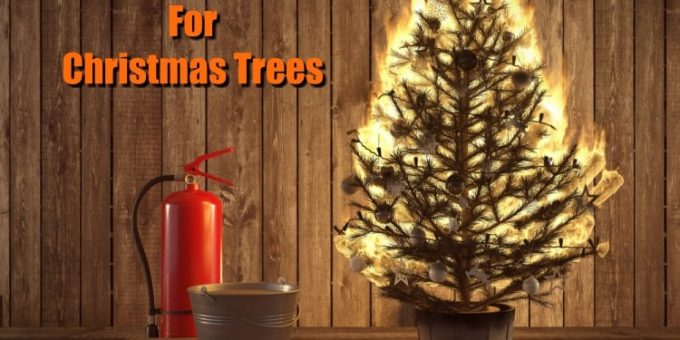
LAWRENCE CO. — As families across Lawrence County begin to deck their halls, the National Fire Protection Association (NFPA) and Emergency Management Director Valerie Luchauer are urging homeowners to remember that the beloved Christmas tree, for all its beauty, is a large combustible item that requires vigilance to prevent potential home fires.
While home Christmas tree fires are less common than candle fires (which occur roughly 38 times more frequently), they pose a serious risk when they do occur.
Data from the NFPA for 2018–2022 reveals a stark picture of the consequences:
| Annual Average | Fires | Civilian Deaths | Civilian Injuries | Property Damage |
| Christmas Tree Fires | 155 | 4 | 7 | $15 million |
The data also indicates that fresh Christmas trees are more commonly involved in fires than artificial ones. This severity is largely due to fresh trees drying out over time, making them highly flammable. A dried-out, poorly watered tree can burn extremely fast.
Top Causes: Lighting and Electrical Equipment
The primary ignition source for most Christmas tree fires in the home is related to lighting and electrical components. According to the latest $\text{NFPA}^{\text{registered}}$ research:
- 41% of home Christmas tree fires involved electrical distribution or lighting equipment.
- 20% of these fires were started by lamps or bulbs.
- 11% were started by candles.
Most concerningly, 40% of all home Christmas tree fires started in the living room, the place where many families gather and where the trees are proudly displayed.
Tips for a Safer Holiday Season
The NFPA offers straightforward, crucial advice for choosing, setting up, decorating, and disposing of your tree safely:
Selection and Hydration
- Test for Freshness: Before purchasing a fresh tree, run your hands along a branch. If more than a few needles fall off, the tree is likely too dry and should be avoided.
- Water Daily: Once home, cut 2 inches (5 cm) from the base of the trunk before placing it in the stand. Add water daily to keep the tree well-hydrated throughout the season.
Placement and Decorating
- Maintain Distance: Place the tree at least 3 feet (1 m) away from any heat source, including fireplaces, radiators, candles, heat vents, or certain lights.
- Keep Exits Clear: Ensure the tree does not block an exit route from the room or home.
- Inspect Lights: Check decorative lights for damage and ensure they are used strictly according to the manufacturer’s instructions (i.e., indoor-only lights must not be used outside).
- Look for Certification: When buying new lights, confirm they bear the mark of an independent, qualified testing laboratory to ensure they meet established safety standards.
After Christmas
- Dispose Promptly: Remove the tree immediately after the holidays or when it begins to dry out. Dried-out trees pose a serious fire hazard and should not be left in the home or garage, or placed outside against the house.
- Recycle: Contact local community officials to find a suitable recycling or disposal program for your tree.
For a free, printable overview of these tips and additional resources, the NFPA encourages the public to download its Christmas Tree Safety tip sheet and visit its Holiday Fire Safety Tips webpage.