

NATIONWIDE — Americans are facing the upcoming holiday season with heightened anxiety, particularly over financial concerns, according to the latest “Healthy Minds” poll released by the American Psychiatric Association.
The poll, which surveyed over 2,200 adults in early November 2025, found that 75% of respondents are very or somewhat anxious about the economy, making it the nation’s number one concern, followed closely by healthcare at 71%.

The economic worries appear to be driving a significant increase in seasonal stress: 41% of Americans anticipate feeling more stress this holiday season than in previous years. This marks a sharp rise from 28% and 29% who felt the same way in 2024 and 2023, respectively. Younger adults (aged 18–34) were the most likely group to anticipate stress at 49%.
The top holiday-specific stressors identified were:
- Missing a loved one or experiencing grief (48%).
- Affording or finding holiday gifts (46%).
In total, one in five participants reported that the end-of-year holidays harmed their mental health.
While 44% of participants said the holidays have a generally positive impact, experts emphasize that anxiety is common and manageable during this time of year.
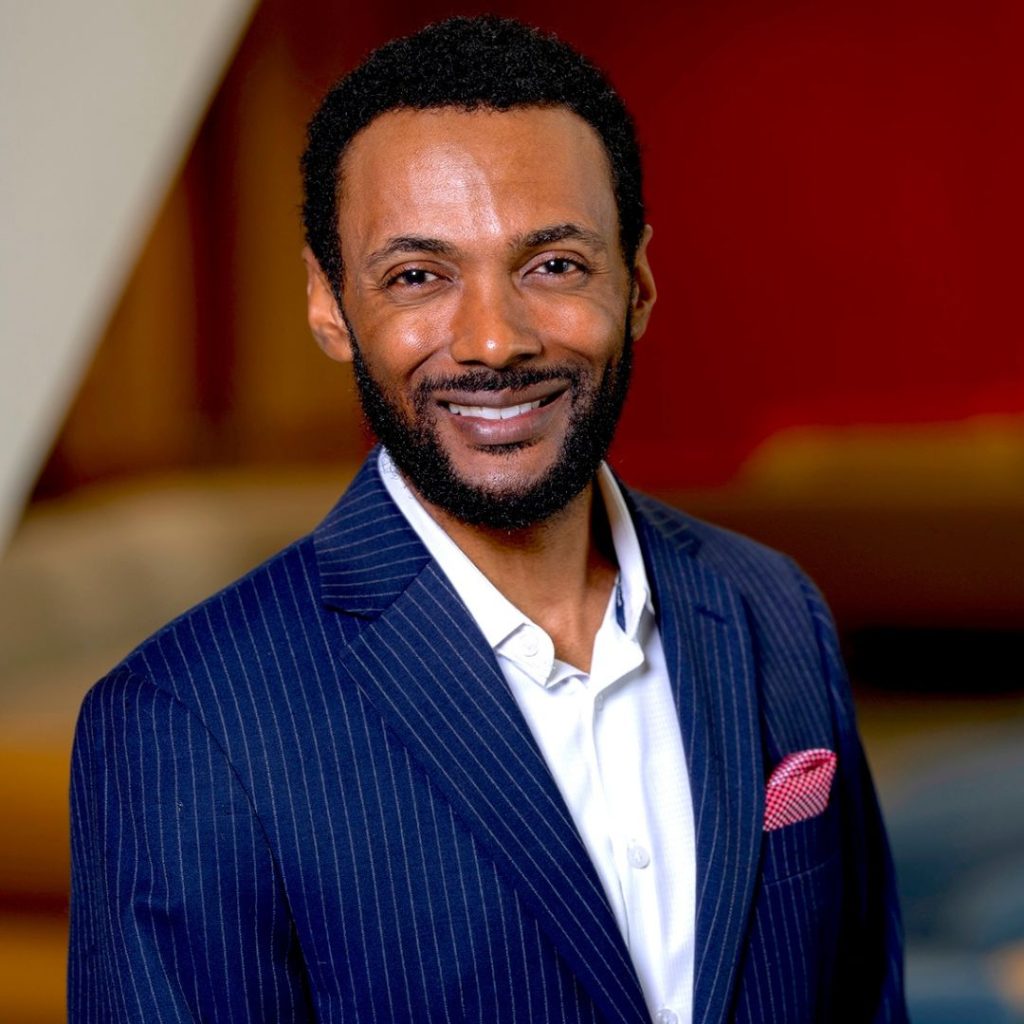
“If anyone is struggling with severe stress or anxiety, or feeling depressed, reach out to a mental health professional, like a psychiatrist. There is never a reason to suffer in silence,” advised Dr. Gregory Scott Brown, a board-certified psychiatrist and chair of the APA’s Council on Communications.
Experts recommend several strategies to navigate the emotional demands of the season:
- Set Boundaries: Don’t be afraid to say no to optional obligations to protect your time and emotional well-being.
- Simplify: Differentiate between necessary and optional tasks on your to-do list.
- Seek Support: Delegate tasks and ask friends or family for help to lighten your emotional load.
- Mindfulness: Take short breaks for deep, relaxing breaths to interrupt stress responses.
- Disconnect: Limit “doom scrolling” on social media and the news, which can increase feelings of distress.