

NATIONWIDE – Health authorities are strongly emphasizing that no level of lead exposure is safe, and residents must be vigilant in looking out for early signs to prevent severe, long-term health impacts. Lead is a naturally occurring toxic metal that affects nearly all organ systems, with developing children being the most vulnerable.
Widespread Sources and Contamination
Lead is highly persistent in the environment due to its past and present uses. While lead has been phased out of vehicle petrol globally, significant exposure sources remain:
- Manufacturing: Lead-acid batteries, pigments, paints, solder, ammunition, ceramic glazes, jewelry, toys, and some cosmetics.
- Environmental Contamination: Poorly controlled lead mining, smelting, and the informal recycling of electrical waste, particularly in low- and middle-income countries.
- Home/Water: Lead-containing components in water distribution systems and older lead paint.
- Other: Use of lead-containing traditional medicines and certain aviation fuels.
Exposure primarily occurs through the ingestion of contaminated dust, soil, food, or water, or the inhalation of fumes and particles (especially in occupational settings). Children are at high risk due to common hand-to-mouth behaviors.
Severe Health Consequences
Lead has no biological function in the body. Exposure, even at low levels, can cause chronic and debilitating effects:
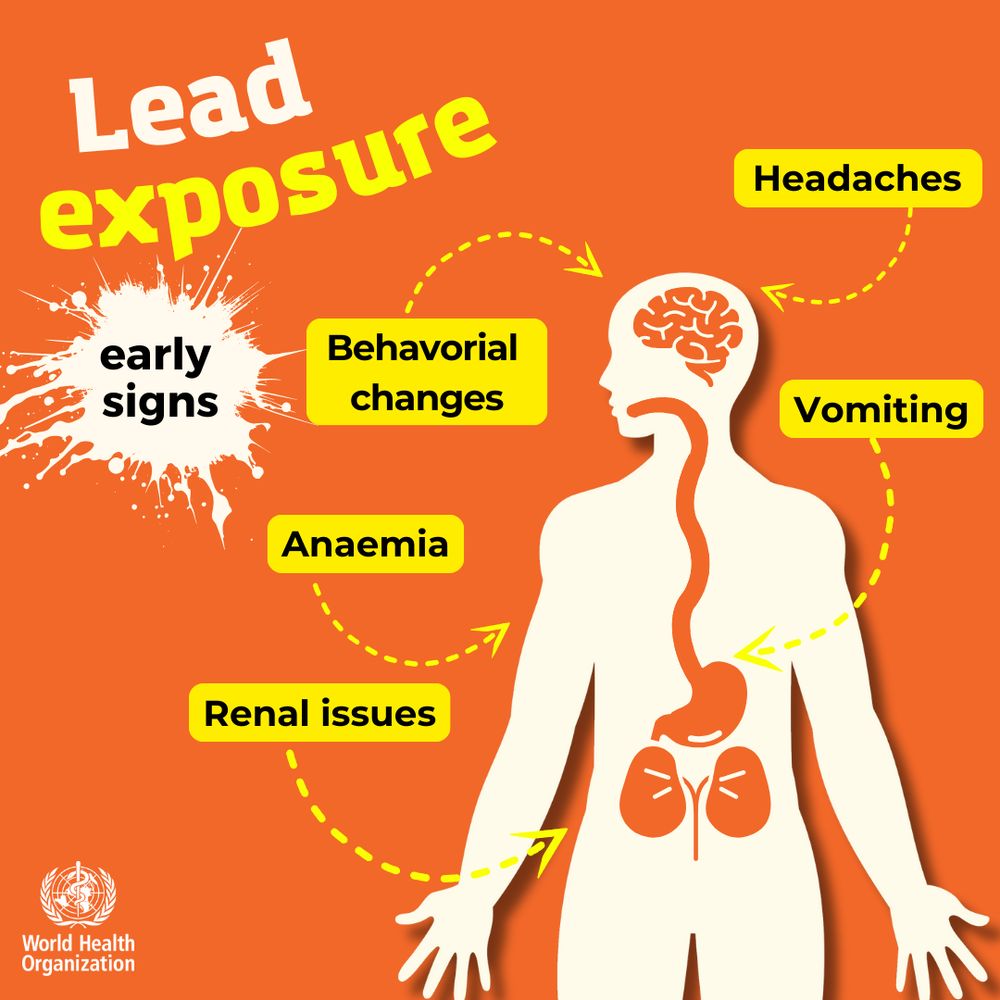
- In Children, it is linked to reduced cognitive abilities, lower IQ scores, antisocial behaviors, and reduced educational attainment. Early signs include sporadic vomiting, loss of appetite, irritability, and headache.
- In Adults, it can cause anemia, hypertension, renal impairment, and toxicity to the reproductive organs.
- In Pregnancy, lead can cross the placenta and is linked to adverse birth outcomes, including stillbirth and miscarriage.
Severe poisoning can result in convulsions, coma, and even death, with survivors often facing permanent neurological injury. The Institute for Health Metrics and Evaluation estimates that over 1.5 million deaths globally in 2021 were attributed to lead exposure, primarily due to cardiovascular effects.
The World Health Organization (WHO) recommends that for any individual with a blood lead concentration of 5 µg/dL or higher, the source of exposure must be identified and action taken to terminate the exposure immediately.