

GENEVA, SWITZERLAND — A new report from the World Health Organization (WHO) reveals a stark increase in antimicrobial resistance (AMR), with one in six laboratory-confirmed bacterial infections worldwide in 2023 showing resistance to antibiotic treatments. This alarming trend poses a severe and growing threat to global health.
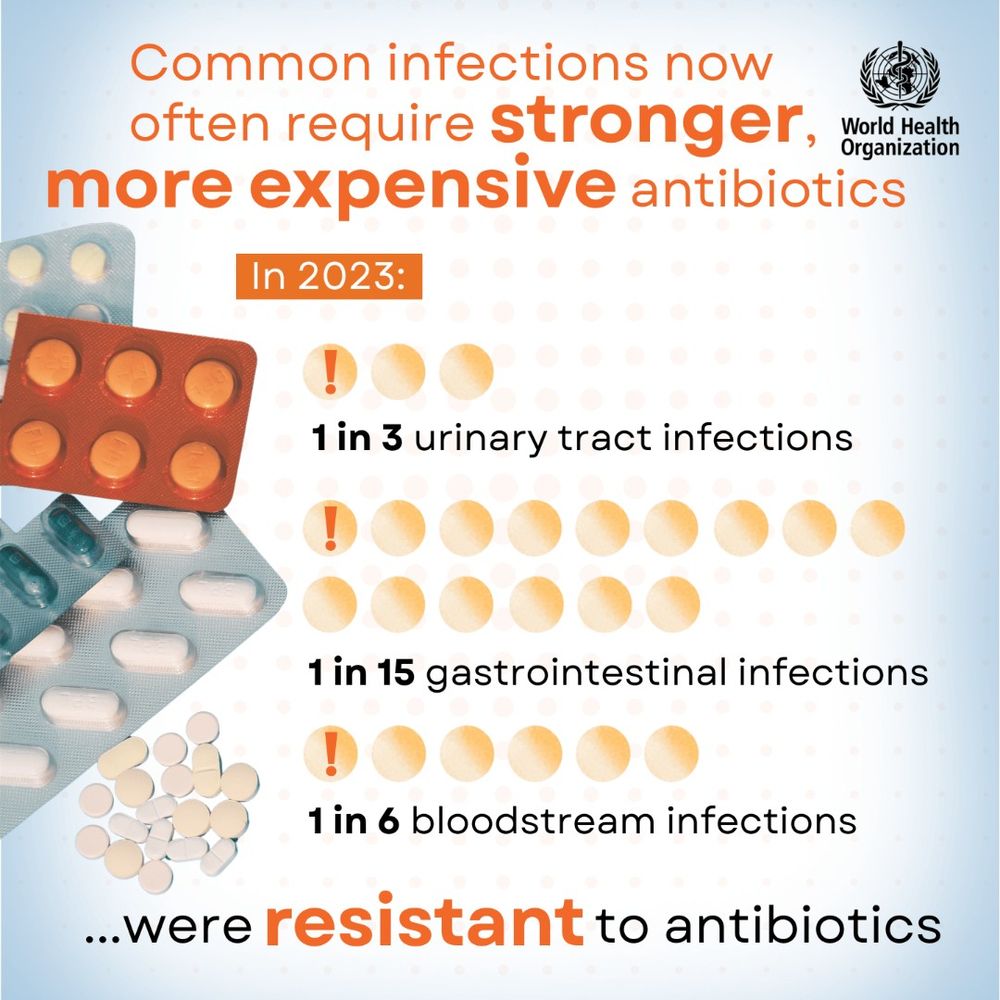
The data, reported to the WHO’s Global Antimicrobial Resistance and Use Surveillance System (GLASS) from over 100 countries, indicates that antibiotic resistance rose in over 40% of the pathogen-antibiotic combinations monitored between 2018 and 2023, with an average annual increase of 5–15%.
Key Findings and Major Threats
The Global Antibiotic Resistance Surveillance Report 2025 is the first to estimate resistance prevalence across 22 antibiotics used to treat common and severe infections, including those of the bloodstream, urinary tract, and gonorrhoea.
Gram-negative bacteria pose the greatest threat, particularly in bloodstream infections that can lead to sepsis and death:
- E. coli and K. pneumoniae: These are the leading drug-resistant Gram-negative bacteria in bloodstream infections. Globally, more than 40% of E. coli and over 55% of K. pneumoniae are now resistant to third-generation cephalosporins, a crucial first-choice treatment.
- Life-Saving Drugs Failing: Essential antibiotics like carbapenems and fluoroquinolones are rapidly losing effectiveness against E. coli, K. pneumoniae, and other pathogens. Carbapenem resistance, once rare, is increasingly narrowing treatment options.

“Antimicrobial resistance is outpacing advances in modern medicine, threatening the health of families worldwide,” said Dr. Tedros Adhanom Ghebreyesus, WHO Director-General.
Resistance Varies Globally
The risk of antibiotic resistance is highest in regions with less diagnostic and treatment capacity:
- High Resistance: The WHO South-East Asian and Eastern Mediterranean Regions are the hardest hit, where approximately 1 in 3 reported infections were resistant.
- Africa: The African Region reported resistance in 1 in 5 infections.
The WHO calls on countries to responsibly use antibiotics, strengthen surveillance systems to generate reliable data on resistance patterns, and ensure access to effective medicines, quality diagnostics, and vaccines. A goal has been set for all countries to report high-quality data on AMR and antimicrobial use to GLASS by 2030.

