


GENEVA– Uncontrolled high blood pressure, or hypertension, is placing over a billion people globally at risk, according to the second Global Hypertension Report released by the World Health Organization (WHO).
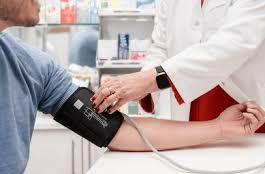
The report, presented at an event co-hosted by WHO, Bloomberg Philanthropies, and Resolve to Save Lives during the 80th United Nations General Assembly, reveals that approximately 1.4 billion people lived with hypertension in 2024. Alarmingly, only slightly more than one in five of those affected—or just 20%—have their condition managed adequately through medication or lifestyle changes.
Hypertension is a leading contributor to devastating health outcomes, including heart attacks, strokes, chronic kidney disease, and dementia. The WHO warns that without immediate, concerted action, millions will continue to die prematurely.
Economic and Health Costs
“Every hour, over 1000 lives are lost to strokes and heart attacks from high blood pressure, and most of these deaths are preventable,” said Dr. Tedros Adhanom Ghebreyesus, WHO Director-General.
The economic fallout is also staggering. Cardiovascular diseases, driven by hypertension, are projected to cost low- and middle-income countries around US $3.7 trillion between 2011 and 2025—a figure equivalent to approximately 2% of their combined Gross Domestic Product (GDP).
Dr. Kelly Henning of Bloomberg Philanthropies emphasized the urgency: “Uncontrolled high blood pressure claims more than 10 million lives every year, despite being both preventable and treatable. Strong policies that raise awareness and expand access to treatment are critical.”
Access to Medicine: A Major Barrier
The report pinpoints significant barriers, particularly in low-income nations. Blood pressure medication is one of the most cost-effective public health tools available, yet access is severely limited where it is needed most.
Only 28% of low-income countries report that all WHO-recommended hypertension medicines are generally available in pharmacies or primary care facilities. This contrasts sharply with the availability in high-income countries, where the figure is 93%.
“Safe, effective, low-cost medicines to control blood pressure exist, but far too many people can’t get them,” said Dr. Tom Frieden, President & CEO of Resolve to Save Lives. “Closing that gap will save lives—and save billions of dollars every year.”
The report urges governments to implement strategies that improve regulatory systems, manage drug pricing and procurement, and standardize treatment protocols to ensure these life-saving drugs reach every population.

