

WASHINGTON, D.C. – The U.S. federal government has officially shut down after Congress failed to pass a crucial funding measure, marking the first funding lapse since 2019. The impasse stems from a weekslong standoff between Republicans and Democrats over the extension of enhanced Obamacare subsidies, which provide crucial assistance to Americans seeking health insurance.
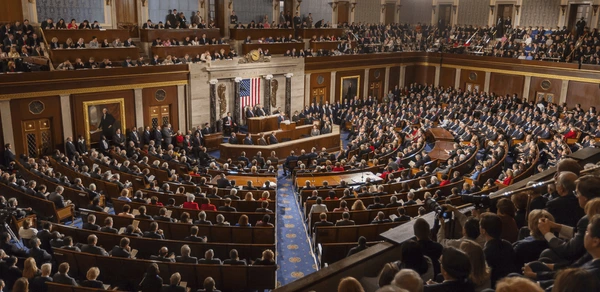
With no resolution in sight, lawmakers departed the Capitol late Tuesday in deep uncertainty.
The Sticking Point: ACA Subsidies
The core disagreement revolves around enhanced premium subsidies for the Affordable Care Act (ACA). These subsidies, which have made coverage more affordable and led to a record 24 million people signing up for policies in 2025, are set to expire at the end of the year. The nonpartisan research group KFF warns that if the enhanced subsidies lapse, premiums could increase by an average of 75% in 2026.
Republicans are demanding a “clean” seven-week funding extension, vowing to hold continuous votes until Democrats yield. Democrats, led by Senate Minority Leader Chuck Schumer, are refusing to provide the ballots without an agreement on the health care subsidies.
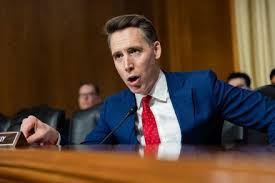
“I don’t know how it ends… You’re asking millions of people to pay a really high price,” said a visibly frustrated GOP Senator Josh Hawley.
Political Pressure and Internal Cracks
The pressure is mounting on Democrats to hold firm, especially as President Donald Trump and his budget office have reportedly intensified threats to use the shutdown to shrink the size of the government permanently. Sen. Sheldon Whitehouse expressed concern, stating, “We have a madman in charge.”
However, cracks have begun to show in the Democratic front. Sens. Catherine Cortez Masto (D-NV), Angus King (I-ME), and John Fetterman (D-PA) all voted in favor of the Republican funding bill just before the shutdown. While other Democrats, such as Sen. Jeanne Shaheen (D-NH), ultimately voted no, they indicated that the decision was made to force Republicans back to the negotiating table on ACA subsidies.
Shutdown Impact on Americans
The government closure immediately affects hundreds of thousands of Americans and federal operations:
- Federal Workers: Approximately 750,000 federal staffers—who earn roughly $400 million each day—could be furloughed. Essential employees, such as air traffic controllers and TSA agents, must continue working but may not receive payment until the shutdown ends.
- Services Affected: Past shutdowns have led to snags in air travel due to staffing shortages. The Smithsonian museums and National Zoo will remain open until October 6 using prior funds, but the status of over 400 national park sites is uncertain.
- Services will continue: Crucial benefit programs will remain in place, including Social Security payments, Medicare and Medicaid payments, and veterans’ medical care and critical services. However, services such as the GI Bill Hotline and assistance for service members transitioning to civilian life will be suspended.

