

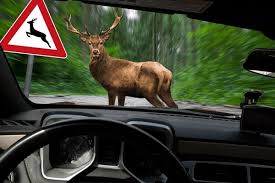
INDIANA – As autumn arrives, drivers in Indiana should be prepared for an increased risk of deer-vehicle collisions. October and November mark the peak breeding season for white-tailed deer, and as corn harvesting reduces their natural cover, they are more likely to cross roadways. In 2024, Lawrence County, Indiana, experienced an average of around 100 deer-vehicle crashes per year.
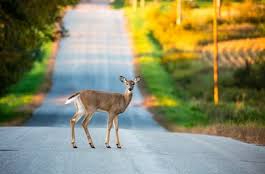
The Context of Collisions
The majority of these incidents occur from October to December, with a significant peak in November. Most accidents happen during dusk and dawn, the times when deer are most active. This is especially true on winding country roads, particularly where dense woods border one side and agricultural fields the other. The combination of reduced visibility and varied habitat makes these areas particularly hazardous.
A Widespread and Costly Problem
Across Indiana, more than 14,000 deer-vehicle collisions are reported annually. A study estimated that over the past two decades, these accidents have cost the state more than $2.5 billion. However, a targeted effort by the Indiana Department of Natural Resources (DNR) has shown promising results. By focusing hunting pressure on lands adjacent to high-risk roads, the DNR helped reduce accidents on those specific routes by 21% between 2018 and 2022. This initiative saved an estimated $823,550 in property damage and medical costs while generating over $206,000 in special deer license sales for state wildlife programs.
Safety Tips for Drivers
While this data highlights the problem, common-sense driving practices remain the best defense. Staying vigilant, driving at or below the speed limit, and always wearing your seat belt are crucial. The majority of injuries from these collisions happen to people who are not wearing their seat belts.
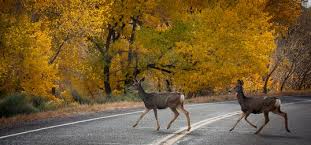
Here are some additional tips to help you stay safe on the road this fall:
- Reduce Speed and Be Alert: If you see one deer, slow down and remain vigilant for more, as they often travel in groups.
- Avoid Swerving: Suddenly swerving to avoid a deer can lead to a more serious crash with another vehicle or a fixed object.
- Use High Beams: At night and when no other cars are present, use your high beams to increase visibility and spot deer sooner.
- Stay Vigilant: Be extra cautious in areas with deer crossing signs and be aware of your surroundings, especially in rural areas where the population is widely dispersed.