

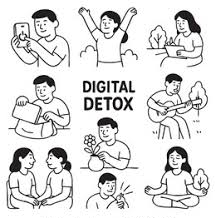
INDIANA – We live in a world where our screens never sleep. It is not very often that our minds truly get a break from the onslaught of social media and all of the information available on the World Wide Web.
From never-ending notifications to late-night scrolling, the constant digital overload is silently altering our mood and draining our focus and peace of mind. It is essential to examine the benefits of a digital detox, which can not only restore our mental clarity but also bring balance to our lives.
It is virtually impossible to escape screens in today’s overly connected world. With the popularity of phones, smartwatches, TVs, tablets, and other devices, we are constantly “plugged in” to some form of technology. Although there are many benefits of modern technology, including staying informed and connected with others, the downside of technology often leaves us feeling overstimulated and burnt out.
Too much screen time is also associated with health risks such as increased anxiety and sleep disturbances. Moreover, a study by the American Psychological Association reported that people who check their devices more than 80 times a day indicate higher rates of overall stress in their lives.
The thought of taking a break from screens may seem daunting, but there are signs to watch for that may indicate a digital detox is needed. If you find yourself scrolling through your phone first thing in the morning and last thing at night, it may be time to take a break. Constantly switching between apps or multitasking on screens may leave you feeling overwhelmed and sometimes confused.
If you feel mentally foggy, anxious, or irritable after long scrolling sessions or feel like you can’t stop checking when you try to unplug, it may be time to put the phone down. Additionally, if you have noticed a decline in the quality or duration of your sleep, you may be putting your health at risk.
Taking a complete break from screens may not seem feasible, but you don’t have to disappear from the tech world to reset completely. There are minor changes or habits you can incorporate into your daily life to help create balance. A simple change may include starting your mornings without screens. Instead, use this time to stretch, walk, journal, or meditate. Establish “tech-free” zones, such as the bedroom or dinner table, and ask your family to participate. Limit app notifications and establish boundaries on the amount of information you receive. Even small breaks from the digital world have been proven to reduce cortisol levels, improve attention span, and promote feelings of inner peace.
If making small changes on your own does not seem to be working, a therapist or mental health professional can also help you understand your relationship with technology. Therapy can address feelings of dependency and screen addiction. Working with a therapist to create a personalized treatment plan can help address your struggles with screen time. The goal of therapy is to regain control of and successfully regulate your emotions. With any change in habits or behavior, starting small and setting manageable goals for yourself is key.

Abby Betz, MSW, LCSW, is a Youth First Mental Health Professional at Holy Trinity Catholic School (East and Central Campuses) in Dubois County. Youth First, Inc., is a nonprofit dedicated to strengthening youth and families. Youth First provides over 100 highly trained mental health professionals (primarily master’s level social workers), prevention programs, parent engagement coordinators, and bilingual support personnel to 130 schools across 14 Indiana counties. Over 55,000 youth and families are served annually by Youth First’s school-based social work and community programs, which promote mental health, prevent substance misuse, and maximize student success. To learn more about Youth First, visit youthfirstinc.org or call 812-421-8336.

