

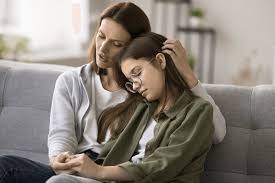
INDIANA – In today’s world, we hear a lot about anxiety. The American Psychological Association defines anxiety as “an emotion characterized by apprehension and somatic symptoms of tension in which an individual anticipates impending danger, catastrophe, or misfortune.”

Everyone experiences anxiety to some degree, but not everyone experiences an anxiety disorder. Anxiety disorders include excessive worry, fear, and avoidance that may significantly interfere with daily life.
What does anxiety look like in children? Children may seem more irritated, uneasy, or have physical problems such as headaches or stomach aches when they are experiencing anxiety.
Anxiety looks different for everyone. For example, when riding with a parent to school, a child with anxiety might refuse to leave the vehicle when arriving or begin hitting the parent because their fear is so extreme.
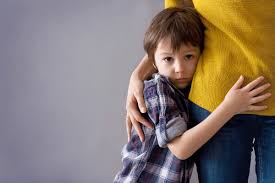
Another student might visit the school nurse regularly, complaining of headaches or stomach problems. If the school nurse reports that there is no evidence of sickness, the student could be experiencing anxiety, especially if this situation is happening more frequently.
Here are five helpful, positive coping skills that parents can use to help their children reduce the intensity of anxiety: deep breathing, progressive muscle relaxation, positive self-talk, and visualizing safe places or an animal they like.
- Deep breathing is a great technique that helps regulate emotions and the body. An example of a deep breathing technique is taking a deep breath through your nose, like you are smelling your favorite scent (chocolate cake or a rose), breathing out through your mouth (as if blowing out birthday candles). Just ensure that your breathing is slow and deep.
- Progressive muscle relaxation is another technique that can be used to help reduce anxiety. Starting with their toes, have your child tense and relax each muscle group all the way up through their head. When finished, ask your child to identify the emotion they’re feeling and recognize how their body feels in response.
- Using the five senses can also help children reduce anxiety. An example of a technique that can be used is identifying five things you can see, touch, hear, smell, and taste.
- It’s important to encourage children to talk positively about themselves. When they say things like, “I can’t do anything right” or “I’m always messing things up,” it can negatively affect their mental health. Ask them to use positive affirmations such as “I can do hard things” or “I can get through this situation.” Thinking and speaking positively helps everyone have a better attitude.
- Another method children can try is to think about something that makes them feel safe. For example, they can think about their pet or an animal they like, (What does the animal look like, feel like, sound like, and smell like?) or a place that makes them feel safe (What does the place look like, what does it smell like, what can you touch, and what do you hear when you are in this place?). Details are essential with this activity.
The CDC reports that 11 percent of children ages 3 to 17 had been diagnosed with anxiety, according to 2022-2023 data in the United States. If a child’s anxiety becomes more severe and episodes become more frequent, parents should contact the child’s pediatrician for an appointment or have their child evaluated by a therapist.

Lori Powell, MSW, LCSW, is a Youth First Mental Health Professional at Vogel Elementary School in Vanderburgh County. Youth First, Inc., is a nonprofit dedicated to strengthening youth and families. Youth First provides over 100 highly trained mental health professionals (primarily master’s level social workers), prevention programs, parent engagement coordinators, and bilingual support personnel to 130 schools across 14 Indiana counties. Over 54,000 youth and families are served annually by Youth First’s school-based social work and community programs, which promote mental health, prevent substance misuse, and maximize student success. To learn more about Youth First, visit youthfirstinc.org or call 812-421-8336.

