

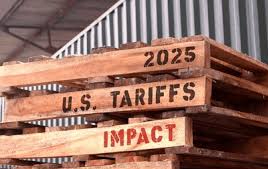
WASHINGTON, D.C. — President Donald Trump’s new tiered tariff policy is now in effect, imposing varying rates on goods from different countries.

While most nations’ goods were previously subject to a minimum 10% tariff, the new policy introduces significantly higher rates for specific countries, raising concerns among economists about potential impacts on the economy.
New Tariff Structure
The new policy sets a minimum 10% tariff for most countries, but increases the rates for dozens of others. The highest rates are now applied to goods from:
- Brazil: 50%
- Laos & Myanmar: 40%
- Switzerland, Iraq, & Serbia: 35%
An additional 21 countries, including India (25%), Taiwan (20%), and Vietnam (20%), face tariffs greater than 15%. Goods from 39 countries and the European Union are now subject to a 15% tariff.
Separately, goods from Mexico and Canada are exempt from tariffs if they comply with the US-Mexico-Canada free-trade agreement. However, non-compliant goods from Mexico will be hit with a 25% tariff, while those from Canada face a 35% tariff.
Economic Impact and Administration’s Stance
The administration’s new policy follows a series of trade negotiations and builds on a “reciprocal” tariff strategy. While some economists fear these aggressive tariffs could worsen economic issues like rising inflation and slowing job growth, the Trump administration has celebrated its previous tariff policies. They have noted that earlier tariffs generated over $100 billion in tax revenue without causing a recession, despite some predictions.
In an additional measure, a second tariff of 25% is slated to take effect on August 27 on goods from India, as a penalty for the country’s oil purchases from Russia.

