

INDIANA- June is Cataract Awareness Month and is dedicated to raising awareness about cataracts, a common eye condition, and encouraging early detection and treatment to prevent vision loss. Cataracts are a leading cause of vision loss and blindness worldwide. A cataract is a clouding of the eye’s natural lens, which lies behind the iris and the pupil. The condition can cause blurred vision, difficulty seeing at night, or trouble reading. While cataracts can occur at any age, they are far more common in older adults.

“Cataracts can form at any age, but they are more common after the age of 40,” said Dr. Drew Davis, an ophthalmologist at the Davis Eye Institute in Bedford, Indiana. “A lot of the symptoms come on so slowly, most people don’t even realize they have cataracts, so it is important to be checked.”
Warning Signs and Risk Factors
Common symptoms of cataracts include glare while driving at night, difficulty reading in dim light, and trouble seeing at normal reading distance. In many cases, people attribute these changes to general aging, but Dr. Davis cautions against ignoring the signs.
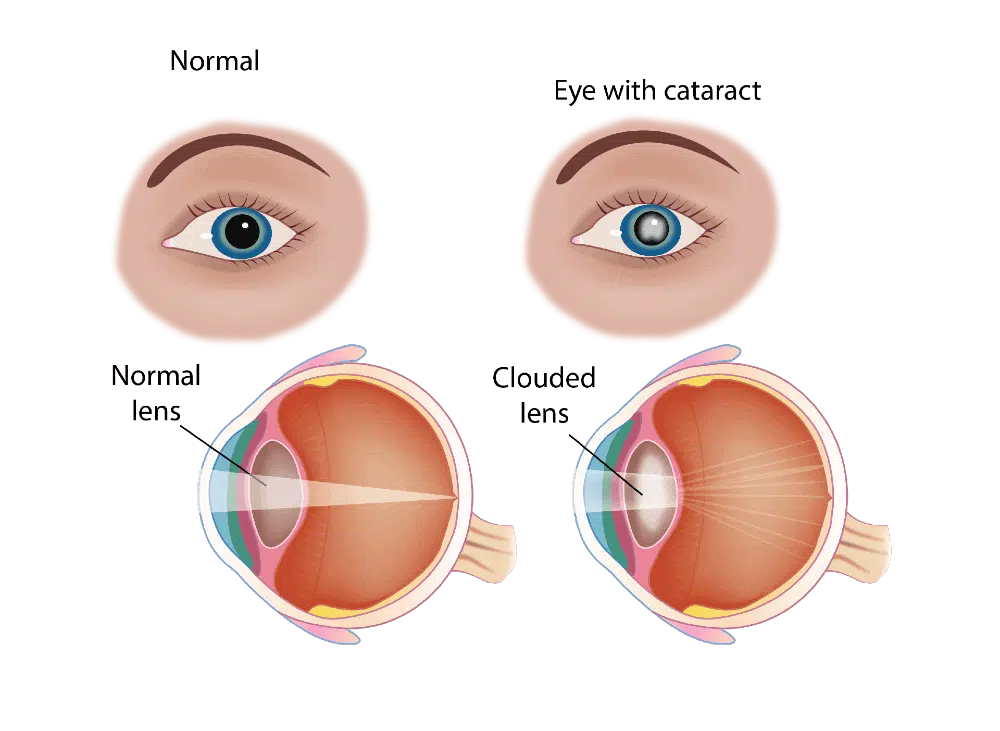
“Glare at nighttime, struggling to read at normal reading distance, difficulty reading or seeing in dim light — these are all signs that you should get an eye exam,” he said.
“Risk factors for cataracts include age, diabetes, smoking, steroid use, trauma, and a lot of UV light exposure,” said Dr. Davis. “Things you can do to protect your eyes and reduce the risk of cataracts are to maintain healthy sugar levels, wear a hat or UV-blocking sunglasses when you are going outside in the sunshine, and limit the use of steroid medicines if possible.”
Treatment and Recovery
The good news is that cataracts are highly treatable. Cataract surgery is one of the most common and safest medical procedures performed today.
“As cataract surgery technology and our understanding of cataracts have improved, we can now not only remove cataracts, we can also implant artificial lenses that can give a true full range of vision. It’s called extended depth of focus technology,” said Dr. Davis.
The surgery itself is quick and minimally invasive. “Cataract surgery is one of the safest procedures in medicine; there is less than a 1% chance of complications after the procedure, and the vast majority of people are going to see better within the first few days,” he said. “Recovery is anywhere from one to seven days, typically. It doesn’t require sutures anymore because it is self-sealing.”
According to Dr. Davis, patients are often surprised at how life-changing the surgery can be. “Most people tell me they wish they had done it sooner.”
Why It Matters
Cataract Awareness Month serves as an important reminder to schedule regular eye exams, especially for those over 40 or with known risk factors. Detecting cataracts early can prevent significant vision loss and lead to a better quality of life.
To contact Dr. Drew Davis to schedule an exam, call (812) 279-0148.

